

10 Signs an Aklan Itinerary Matches Your Interests
An Aklan itinerary matches your interests when it includes more than famous attractions. Beach lovers will enjoy Boracay and Buruanga, adventure seekers can try water sports and countryside excursions, and culture enthusiasts should spend time in Kalibo for Ati-Atihan traditions and piña weaving. For nature, consider Bakhawan Eco-Park, Jawili Falls, and Katunggan it Ibajay. I’d recommend 3–4 days for a focused trip or 5–7 days to combine Boracay with mainland Aklan, choosing activities based on what you actually enjoy rather than trying to visit everything.
On This Page
Aklan has an interesting reputation. Mention the province to almost anyone, and the conversation usually heads straight to Boracay. Fair enough. The island has beautiful beaches, unforgettable sunsets, and enough activities to occupy an entire vacation. But there’s a lot more to Aklan than one famous stretch of sand.
Across the mainland, you’ll find mangrove forests, traditional weaving communities, waterfalls, old churches, and towns where tourism moves at a completely different pace. Kalibo can be incredibly lively during Ati-Atihan, while a quiet morning in Ibajay feels like you’re visiting another side of the province altogether.
The challenge isn’t finding things to do. It’s choosing the ones that make sense for you.
I’ve never liked the idea of planning a trip around somebody else’s checklist. You could spend three days in Boracay and have an incredible time, or leave feeling that the beaches weren’t really your thing. Someone else might find the highlight of Aklan in a weaving workshop or a conversation over a plate of local food.
So instead of throwing another crowded itinerary at you, here are ten signs that your Aklan travel plans are heading in the right direction.
What Makes an Aklan Itinerary a Good Match?
A good itinerary balances your interests, available time, budget, and willingness to travel between destinations. Aklan’s attractions are spread across Boracay Island and several mainland municipalities, so geography matters.
I’d begin by choosing two or three priorities. If beaches and nightlife are your thing, spend most of your time in Boracay. If you enjoy culture and countryside exploration, Kalibo and nearby towns deserve more attention.
There’s no need to fill every hour. The most rewarding itinerary is usually the one that allows you to enjoy your favorite experiences without constantly checking the time.
You Want Enough Beach Time to Actually Relax
If your ideal vacation involves swimming, walking barefoot along the shore, and finding somewhere comfortable to watch the sunset, Boracay belongs near the top of your itinerary.
White Beach is the obvious starting point. Its three traditional boat-station areas offer different atmospheres. Station 1 is known for its spacious beachfront, Station 2 has plenty of dining and commercial activity, and Station 3 generally feels less hectic.
I wouldn’t spend the entire visit following the same beachfront crowd, though. Puka Beach offers a different coastal atmosphere, while Ilig-Iligan Beach is another option for exploring beyond the busiest areas.
One thing I’d avoid is scheduling an activity immediately after every meal. A relaxed beach afternoon is a perfectly legitimate part of an itinerary.
Your itinerary passes this test if you’ve reserved at least one unhurried beach day instead of treating Boracay as a quick photo stop.
You Get Excited About Adventures on the Water
Boracay is much more than a place to lie on the sand. Snorkeling, scuba diving, paddleboarding, and other marine activities offer plenty of opportunities to get moving.
For something particularly interesting, look at Bulabog Beach. During the northeast monsoon season, especially around November to March, its windy conditions attract kiteboarders.
The atmosphere here is completely different from White Beach. Instead of people choosing sunset cocktails, you’ll find instructors preparing equipment and riders working with the wind.
Beginners should book lessons with a qualified instructor rather than attempt the sport independently. For snorkeling or diving, choose established operators and check the day’s marine conditions.
I’d also leave some flexibility between water activities. Strong winds or rough seas can change plans quickly, and no excursion is worth ignoring a safety advisory.
Your itinerary passes this test when it includes an activity that genuinely interests you, not simply whichever water-sports package happens to be advertised.
Ask operators for a complete quotation covering equipment, guides, environmental charges, and transfers. Confirm cancellation or rescheduling arrangements before paying for weather-dependent activities.
You’d Rather Experience a Festival Than Just Read About It
If traditional celebrations fascinate you, there’s one experience that could determine the timing of your entire trip: the Kalibo Santo Niño Ati-Atihan Festival.
Held in January, with its main celebration culminating on the third Sunday, Ati-Atihan brings together religious devotion, street dancing, colorful costumes, and an extraordinary amount of drumming.
The sound is a huge part of its identity. There’s a distinctive intensity to festival drums, especially when several groups are performing around the same streets.
I’d recommend spending time understanding the celebration’s religious and cultural significance rather than viewing it purely as entertainment. The festival has deep connections to local history and devotion to the Santo Niño.
Accommodation should be arranged early for the main festival period. Expect busy streets, road closures, noise, and a great deal of walking.
Your itinerary passes this test if you’ve deliberately planned around the celebration and are comfortable with its crowds and energy.

You’re Curious About the People and Skills Behind Local Traditions
One of Aklan’s most fascinating traditions doesn’t involve a beach or a mountain. It begins with pineapple leaves.
Aklan is renowned for piña weaving, the intricate process of turning fibers extracted from pineapple leaves into delicate fabric.
In Kalibo’s New Buswang area, weaving traditions remain an important part of the province’s cultural identity. The process involves extracting, preparing, knotting, and weaving extremely fine fibers.
It’s the kind of craft that makes you appreciate how much work goes into something that initially looks so light and simple.
I’d arrange a weaving demonstration through a local tourism contact or participating workshop. Ask questions, pay attention to the techniques, and buy directly from artisans when possible.
Don’t assume that every workshop accepts unscheduled visitors. Some spaces are active workplaces rather than permanent tourist exhibits.
Your itinerary passes this test if you’ve made room to learn something about Aklanon culture beyond the province’s most photographed attractions.
You Find Forests, Wildlife, and Conservation Just as Interesting as Beaches
Aklan has some genuinely interesting mangrove ecosystems, and I’d prioritize them if you’re curious about nature.
Bakhawan Eco-Park in Kalibo is known for its extensive mangrove rehabilitation project and boardwalk. The experience takes you through an environment of tangled roots, coastal vegetation, and changing tidal conditions.
There’s something fascinating about mangroves. What initially looks like a confusing collection of roots is actually an important coastal ecosystem, helping provide habitat for marine organisms and protection against shoreline erosion.
Another worthwhile destination is Katunggan it Ibajay, associated with the Bugtongbato-Naisud mangrove area and its remarkable diversity of mangrove species.
I’d allow around one to two hours for a relaxed mangrove visit, depending on the available paths and guided activities. Use insect protection, stay on designated walkways, and avoid disturbing wildlife.
Your itinerary passes this test if you’re genuinely interested in understanding these environments rather than merely collecting photographs.
You Prefer Quiet Beaches and Small-Town Atmospheres
Not everyone wants a lively beachfront lined with restaurants and activity providers. Sometimes, a quieter coastline is exactly what makes a trip memorable.
For that, I’d look beyond Boracay toward Jawili Beach in Tangalan or Hinugtan Beach in Buruanga.
Jawili has the character of a coastal community where fishing remains part of everyday life. Nearby Jawili Falls makes the area especially appealing for travelers who want both beach scenery and a countryside excursion.
Hinugtan, meanwhile, is known for its white sand, coastal vegetation, and surrounding limestone scenery. Reaching quieter beaches may involve additional road transfers or locally arranged transportation.
These places aren’t necessarily as convenient as Boracay. Facilities and transport options can be more limited, which is precisely why I wouldn’t approach them with an overloaded schedule.
Your itinerary passes this test if you’re willing to trade convenience and nightlife for a more peaceful coastal experience.
You Consider Local Food an Essential Part of Traveling
For me, food deserves its own place in a travel itinerary. Restaurants and markets reveal a lot about a province, especially when you’re willing to try dishes you don’t usually encounter at home.
In Aklan, I’d look for inubaran, a traditional dish commonly prepared with chicken, coconut milk, and ubad, the tender inner portion of a banana plant.
The combination produces a rich, savory dish that reflects the province’s local ingredients and cooking traditions.
Kalibo is also known for its sweet longganisa, while coastal communities offer opportunities to enjoy freshly prepared seafood.
For something more unusual, Aklan is associated with tamilok, a mangrove-dwelling mollusk sometimes served raw or cooked. I’d only try it from a reputable establishment with appropriate food-handling practices.
Ask what the kitchen specializes in rather than automatically ordering the most familiar item. Sometimes, the best recommendation isn’t printed prominently on the menu.
Your itinerary passes this test if you’ve reserved time to eat in local establishments instead of relying entirely on resort dining.
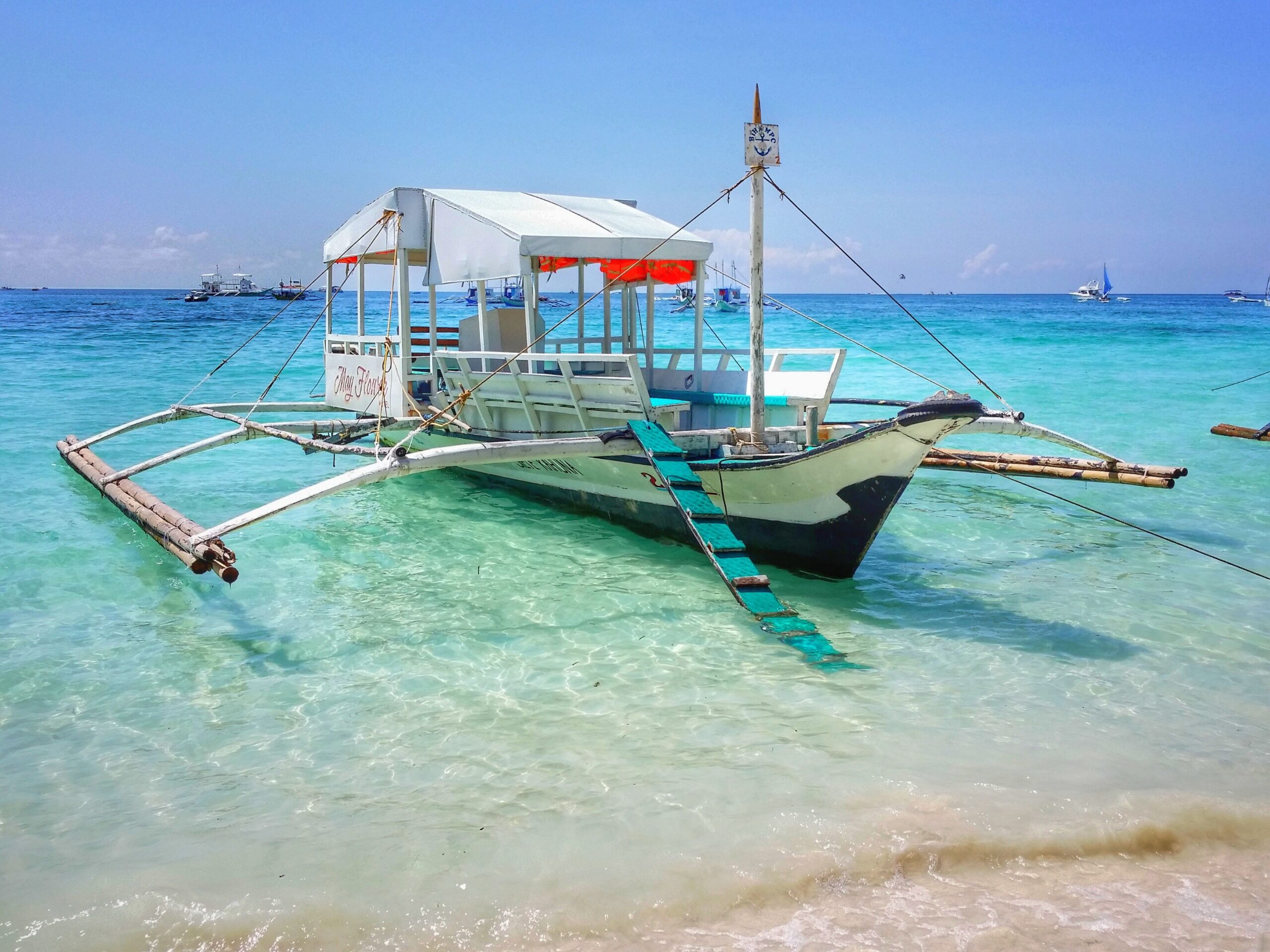
You Enjoy Getting Outdoors and Doing Something Active
If spending an entire vacation sitting around sounds boring, Aklan has several options beyond conventional beach activities.
Jawili Falls in Tangalan is particularly appealing because of its series of natural basins. The sound of water moving over rock formations gives the surrounding area a different atmosphere from the coast.
I’d also look into Campo Verde, associated with forested highland scenery and outdoor recreation around Tangalan and Ibajay.
For travelers interested in caves and limestone landscapes, Buruanga has several natural attractions, including areas associated with guided cave exploration.
These activities require more preparation than an ordinary sightseeing stop. Trails can become slippery, roads may be challenging, and some attractions need local guides or prior arrangements.
Never jump into unfamiliar waterfall pools or enter caves without appropriate guidance.
Your itinerary passes this test if you’ve allocated sufficient time for an actual outdoor experience, including the journey there and back.
You Enjoy Learning the Stories Behind Historic Places
Aklan’s history deserves attention, especially if you enjoy exploring places that reveal something about local identity.
In Kalibo, the Aklan Freedom Shrine commemorates the nineteen martyrs associated with the province’s resistance against Spanish colonial rule.
You can also consider Museo it Akean, which focuses on the province’s cultural heritage. Confirm its current visiting arrangements before including it in your schedule.
Kalibo Cathedral is another important landmark, with a history extending back to the Spanish colonial period.
Outside Kalibo, Tangalan’s St. John Nepomucene Parish Church is notable for its historic architecture and local heritage.
I find these visits more meaningful when they aren’t treated as quick photo opportunities. Read the historical markers, ask about the surrounding community, and give yourself enough time to understand why the places matter.
Your itinerary passes this test if it includes cultural context alongside the province’s natural attractions.
You Don’t Mind Changing Plans When Something Better Comes Along
This might be the most important sign of all.
Aklan is easier to appreciate when you aren’t determined to follow every minute of an itinerary. Weather can affect boat trips, rural transportation can take longer than expected, and interesting places don’t always appear in the order you planned.
I like leaving a little room for the unexpected. Maybe a local recommendation leads you to a small restaurant. Maybe a short stop becomes an interesting conversation. Or perhaps you arrive at a beach and decide the rest of the afternoon can wait.
There’s a difference between traveling without preparation and traveling with enough flexibility to enjoy what happens along the way.
I’d establish the important arrangements first, particularly accommodation, major transfers, and prebooked activities. Everything else doesn’t need to be rigid.
Your itinerary passes this test if you can change one activity without the entire trip falling apart.
How I’d Organize an Aklan Itinerary Based on Your Travel Style
Once you know which signs resonate with you, planning becomes much easier. I’d group destinations geographically and avoid unnecessary trips back and forth between the mainland and Boracay.
Here are four practical approaches.
| Travel style | Suggested destinations | Recommended duration |
|---|---|---|
| Beach and relaxation | Boracay White Beach, Puka Beach, and quieter island areas | 3–4 days |
| Culture and food | Kalibo, piña weaving, local restaurants, and heritage landmarks | 2–3 days |
| Nature and countryside | Bakhawan, Katunggan it Ibajay, Jawili Falls, and Jawili Beach | 3–4 days |
| Mixed Aklan experience | Kalibo, Tangalan or Ibajay, then Boracay | 5–7 days |
A Balanced 5-Day Aklan Itinerary
Day 1: Arrive in Kalibo, try local food, visit heritage landmarks, and arrange a piña weaving demonstration if available.
Day 2: Explore Bakhawan Eco-Park, then visit Tangalan for Jawili Falls or the nearby coastline. Stay on the mainland.
Day 3: Travel toward Caticlan, cross to Boracay, settle into your accommodation, and enjoy White Beach without additional commitments.
Day 4: Choose a marine activity, another beach, or a relaxed exploration of the island according to your interests.
Day 5: Enjoy an easy morning before departure. Allow ample time for the boat crossing, terminal procedures, and airport transfer.
This route works particularly well when arriving through Kalibo and departing through Caticlan. If your flights use the same airport, adjust the sequence and reserve enough time for the return transfer. Don’t schedule a long mainland excursion immediately before a flight.
Transportation, Travel Time, and Budget Considerations
Aklan has two important air gateways: Kalibo International Airport and Godofredo P. Ramos Airport in Caticlan.
Caticlan is convenient for Boracay, while Kalibo makes a practical starting point for mainland exploration. From Kalibo, the road journey to Caticlan generally requires around 1.5–2 hours, depending on transportation and traffic.
From Caticlan, travelers proceed through the designated jetty port, take a passenger boat to Boracay, and arrange onward transportation to their accommodation.
For current Boracay registration and fee procedures, consult the provincial government’s LezzGo Boracay guidance.
On the mainland, buses and vans serve principal routes, while tricycles and locally arranged vehicles help with shorter transfers. A private vehicle can be more practical for combining several rural attractions.
I wouldn’t rely on a single published fare when preparing a budget. Passenger charges, entrance fees, activity prices, and transport arrangements can change.
Instead, budget separately for accommodation, meals, airport transfers, Boracay port charges, mainland transportation, entrance fees, and optional activities. Keep additional cash for rural areas where electronic payment may be less convenient.
When Is the Best Time to Visit Aklan for Your Interests?
The best month depends on what you’re planning to do.
For beach-focused trips, I’d generally favor November through May, when conditions are often more favorable for outdoor activities, though actual weather and sea conditions still need checking.
January is especially attractive for culture enthusiasts because of Kalibo’s Ati-Atihan celebrations. Visitors should expect increased demand for accommodation and transportation around the festival.
For kiteboarding, the northeast monsoon months are particularly relevant, with Bulabog Beach commonly attracting riders during the Amihan season.
Travel during wetter periods can mean greener scenery, but it also brings a greater need for flexible plans. Rough seas, heavy rainfall, or local restrictions can affect certain activities.
Before leaving, I’d check PAGASA forecasts, especially when planning boat transfers or outdoor excursions.
Common Mistakes That Can Make an Aklan Itinerary Less Enjoyable
The first mistake is assuming that everything worth visiting is close to Boracay. Mainland attractions require real travel time, and a day filled with distant stops can become exhausting.
The second is choosing activities based on popularity rather than personal interest. You don’t have to go island hopping if you’d rather learn about local crafts or spend the afternoon exploring a mangrove forest.
I’d also avoid booking nonrefundable water activities without understanding the cancellation policy. Weather changes are part of traveling around the Philippines.
For families, older travelers, and visitors with limited mobility, check access conditions in advance. Boardwalks, beaches, waterfalls, and boat terminals have different physical demands. A destination described as an easy walk may still include stairs, uneven surfaces, or difficult boarding arrangements.
Finally, don’t forget the practical basics: drinking water, sun protection, insect repellent, offline maps, identification, and a reasonable cash reserve.
If you’re visiting remote attractions, contact the relevant municipal tourism office before traveling. Confirm current access, local guide requirements, road conditions, and operating arrangements rather than relying on an old social media post.
Frequently Asked Questions About Planning an Aklan Itinerary
Is Aklan worth visiting beyond Boracay?
Yes. Mainland Aklan offers cultural heritage, piña weaving, Ati-Atihan traditions, mangrove ecosystems, waterfalls, and quieter beaches. Kalibo, Tangalan, Ibajay, and Buruanga are particularly interesting for travelers who want to experience more of the province.
How many days are enough for an Aklan itinerary?
Three to four days can work for a focused Boracay trip. I’d allow five to seven days if you want to combine Boracay with mainland destinations such as Kalibo, Bakhawan Eco-Park, and Jawili Falls without rushing.
Should I stay in Kalibo or Boracay?
Stay in Boracay if beaches, marine activities, and island dining are your priorities. Kalibo makes more sense for cultural exploration, mainland travel, and the Ati-Atihan Festival. A split stay is useful when you want both experiences.
Can I explore Aklan without renting a car?
Yes. Public vans, buses, tricycles, and local transfers connect many destinations. However, rural attractions may require additional arrangements. For a tightly scheduled countryside day, a private vehicle or locally organized tour can be more convenient.
What are the best activities in Aklan for families?
Relaxed beach visits, selected Boracay activities, piña weaving demonstrations, and guided mangrove walks are possibilities. Consider children’s ages, weather conditions, walking distances, and any restrictions before booking water-based or more physically demanding experiences.
Can I visit Kalibo and Boracay on the same day?
It’s possible to travel between Kalibo and Boracay in one day, but I wouldn’t attempt substantial sightseeing in both places. The road journey, port procedures, boat crossing, and local transfers take time. Plan them as separate experiences if your schedule allows.
What if I’m not interested in beaches?
You can build a worthwhile Aklan itinerary around Kalibo’s heritage and food, piña weaving, the Ati-Atihan Festival, mangrove forests, Jawili Falls, and countryside excursions. Boracay isn’t essential for every travel style.
So, Does Your Aklan Itinerary Really Match Your Interests?
I’d say it does when you can explain why every major stop deserves a place in your trip.
If you love beaches, give Boracay the time it deserves. If you’re curious about culture, spend time in Kalibo. If nature is your priority, explore the mangrove forests, waterfalls, and quieter countryside.
And if you enjoy a little of everything, that’s fine too. Just don’t try to squeeze the entire province into a couple of days.
What makes Aklan interesting is precisely how different its experiences can be. You can move from a busy beachfront to a weaving community, from a festival-filled street to a quiet mangrove walkway, all within the same province.
Sources and Further Reading
Destination descriptions, cultural information, festival timing, and geographical details were checked against official provincial, municipal, and tourism resources. Attraction access, transportation arrangements, prices, and operating policies may change. Confirm current details before visiting.
- Aklan Provincial Government: Kalibo Tourism, Heritage, Piña Weaving, and Bakhawan Eco-Park
- Aklan Provincial Government: Tangalan Attractions, Jawili Falls, and Campo Verde
- Aklan Provincial Government: Ibajay and Katunggan it Ibajay
- Municipal Government of Buruanga: Natural Tourist Attractions
- Tourism Promotions Board Philippines: Ati-Atihan Festival
- Experience Western Visayas: Aklan Destination and Travel Planning Guide
- Aklan Provincial Government: Official Boracay Entry Guidance
- Aklan Provincial Government: Municipal and Provincial Tourism Contacts
- PAGASA: Philippine Weather Forecasts and Advisories
For more practical Philippine travel guides, local experiences, and province-specific information, visit Every Province PH.