
14 Ideas for a Nature-Focused Itinerary in Bohol
For a nature-focused itinerary in Bohol, combine the Chocolate Hills in Carmen, Philippine Tarsier Sanctuary in Corella, Loboc River, and Rajah Sikatuna Protected Landscape with marine adventures around Balicasag Island and Pamilacan Island. If you have more time, head east for Can-umantad Falls, the Cadapdapan Rice Terraces, Alicia Panoramic Park, and Anda’s cave pools. I’d allow 5 days for the main highlights or 7–8 days for a more complete nature trip, especially if hiking, snorkeling, and quieter destinations are your priorities.
On This Page
Bohol has a way of making an ordinary drive feel like you’re passing through several different worlds. One minute, the road cuts through dense greenery. Then the trees disappear, revealing enormous grassy hills scattered across the countryside. Keep driving, and you’ll eventually reach rivers, waterfalls, caves, and a coastline full of marine life.
It’s one of those Philippine provinces where the best experiences aren’t confined to a single town. The famous Chocolate Hills are only the beginning. There are tiny primates hiding among forest branches, mountain ridges worth waking up before sunrise for, and offshore reefs where sea turtles move through the water.
But there’s a catch. Bohol is bigger than many first-time visitors expect, and its natural attractions are spread across the island. Trying to visit everything from a hotel in Panglao means spending an enormous amount of time traveling.
I’d rather organize the adventure around different landscapes, give the eastern countryside proper attention, and leave enough room for the unexpected. Here are 14 nature experiences I’d build an itinerary around, along with the practical details that make the journey work.
How to Organize a Nature-Focused Bohol Itinerary
The simplest approach is to divide Bohol into three areas: the central countryside, Panglao and its surrounding waters, and the eastern towns of Candijay, Alicia, and Anda.
Central Bohol is where I’d begin. Corella, Loboc, Bilar, and Carmen fit naturally into a countryside journey. Panglao makes a convenient base for marine activities, while eastern Bohol deserves at least one or two overnight stays rather than a hurried return trip.
For an even longer visit, consider the northern and interior areas around Danao or Getafe. These offer additional opportunities for outdoor adventures and mangrove exploration.
Bohol’s designation as the Philippines’ first UNESCO Global Geopark in 2023 also adds another dimension to the trip. The island’s unusual rock formations, forests, and coastal ecosystems are connected by a much larger geological story.
Here’s how I’d approach the 14 experiences without turning the itinerary into a competition to cover the most kilometers.
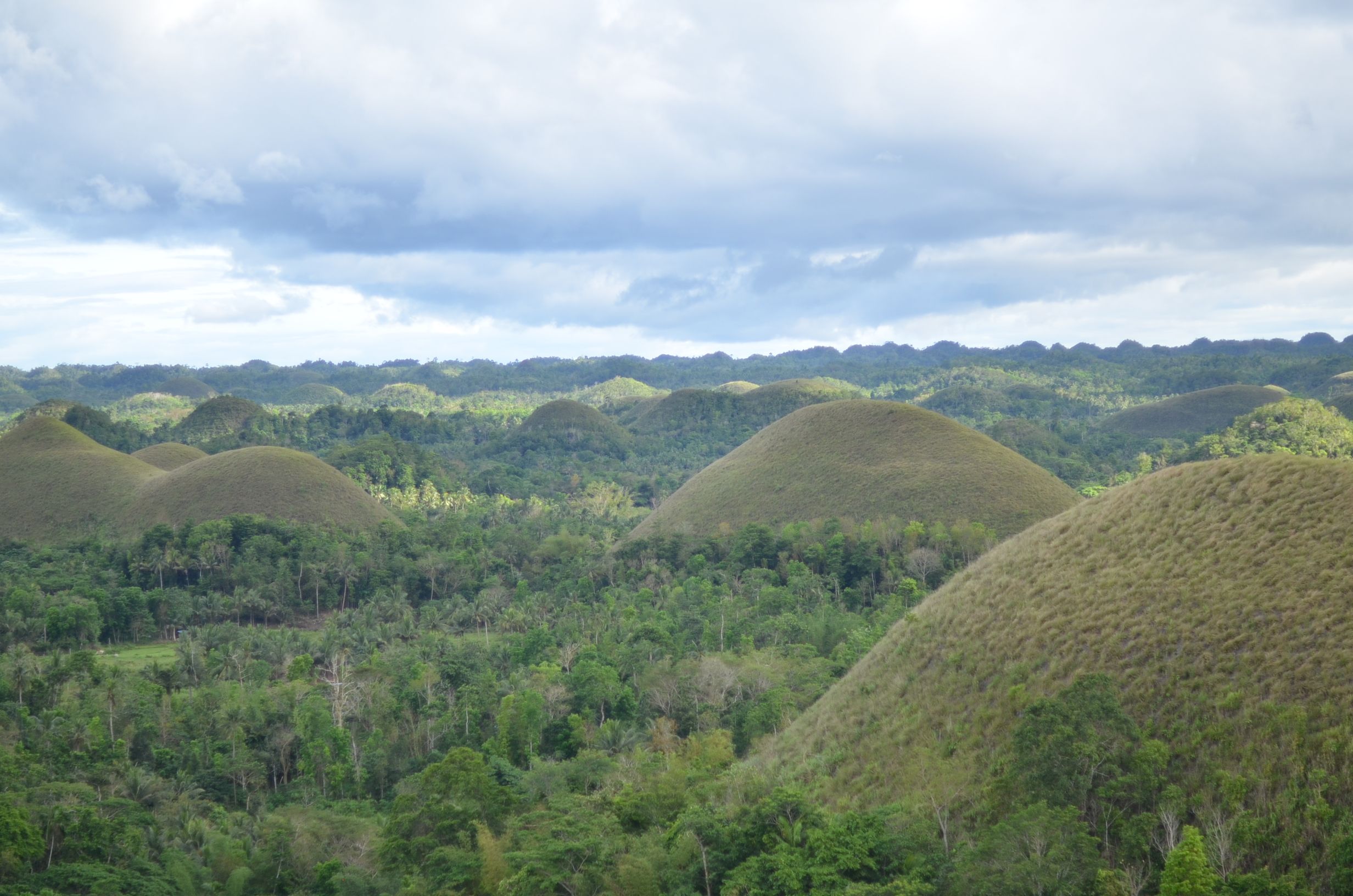
See the Chocolate Hills from Carmen’s Viewpoint
The Chocolate Hills are probably the first thing people associate with Bohol, and there’s a good reason for that. Hundreds of rounded hills rise across the countryside, creating a landscape unlike anything else in the Philippines.
The hills are limestone formations shaped by geological processes over millions of years. Their grassy slopes turn brown during the drier months, giving them their famous name. During greener periods, the entire landscape changes character.
I’d visit the Chocolate Hills Complex in Carmen early in the morning. Reaching the observation deck involves climbing more than 200 steps, but the elevated view makes it worthwhile.
Don’t rush through the viewpoint just to take a photograph. Look beyond the nearest hills and notice how far the formations extend into the countryside.
Allow 45–60 minutes for the viewpoint, longer if you’re taking photographs or need breaks on the stairs.
Meet Bohol’s Tarsiers at the Philippine Tarsier Sanctuary
Few animals capture people’s attention quite like the Philippine tarsier. Those enormous eyes, tiny fingers, and almost impossibly small bodies make them fascinating to observe.
But these are sensitive, nocturnal animals, not creatures that should be passed around for tourist photographs.
I’d choose the Philippine Tarsier Sanctuary in Corella, which focuses on protecting tarsiers and their forest habitat.
Guides help visitors locate resting animals along designated paths. Keep your voice low, disable your camera flash, and never touch or disturb a tarsier.
What makes this experience special isn’t how close you can get. It’s the chance to see an extraordinary animal without interfering with its natural behavior.
Allow approximately 30–60 minutes, including the orientation and forest visit.
Experience Loboc River Beyond the Usual Lunch Cruise
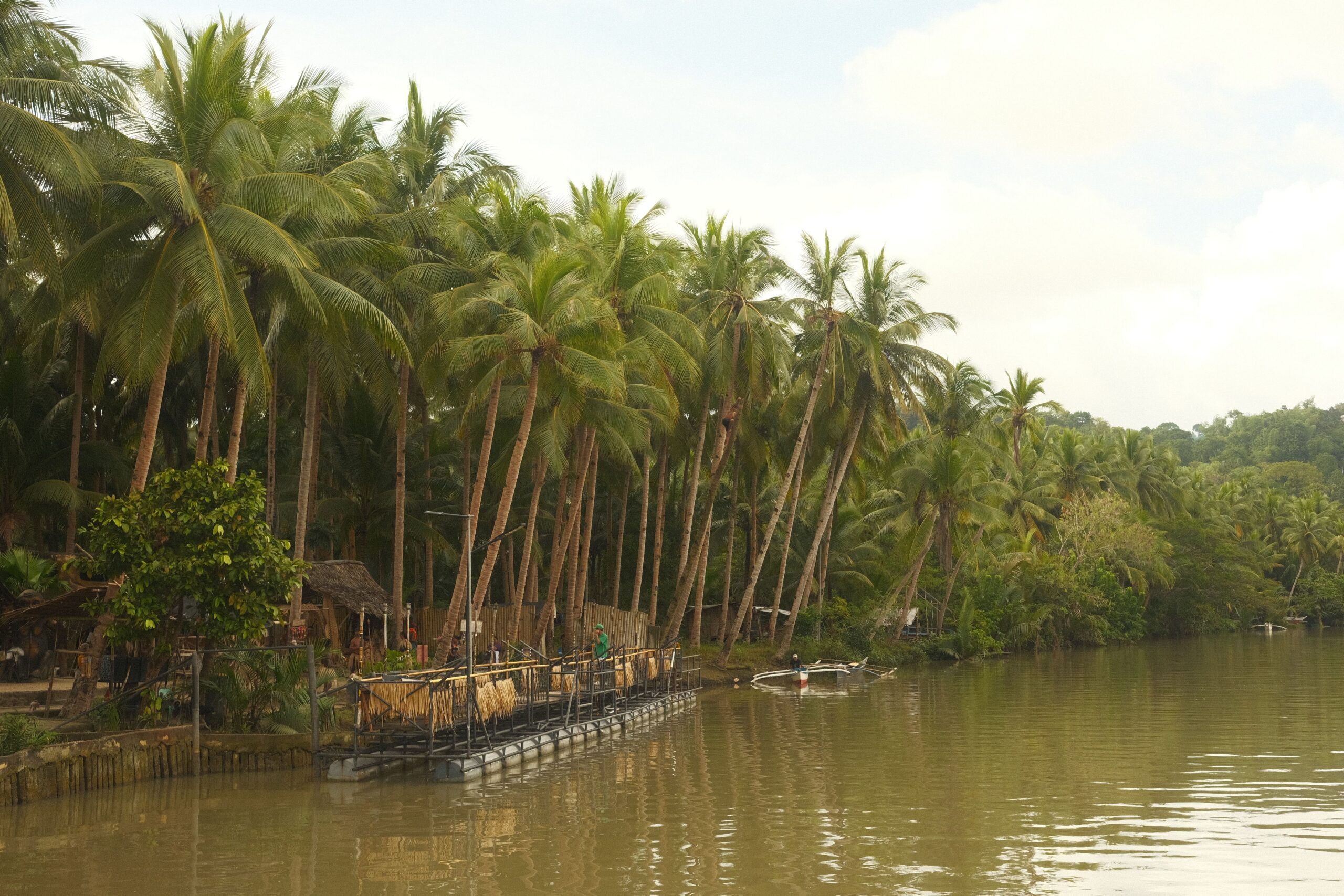
Loboc River is famous for floating restaurants, but I’d also consider exploring it closer to the water.
The river winds through tropical greenery, with trees leaning toward the water and small communities appearing along its banks. The scenery is especially beautiful when the water is calm.
A river cruise is convenient if you want lunch and sightseeing together. For something more active, look into guided kayaking or stand-up paddleboarding, subject to current operator availability.
I like the idea of exploring a river at a slower pace, where you’re paying attention to reflections, birdsong, and the occasional boat moving past.
I’d allocate two hours for a relaxed river activity, and longer if combining it with lunch or nearby attractions.
Combine Loboc with Corella and Bilar rather than making separate trips from Panglao. The provincial tourism office’s countryside itinerary generally takes around eight hours by private vehicle.
Pass Through Bilar’s Famous Mahogany Forest
There’s a stretch of road in Bilar where the atmosphere changes almost immediately. Tall mahogany trees line both sides of the highway, creating a green canopy that makes the road feel unusually enclosed.
It’s called the Bilar Man-Made Forest because the trees were planted through reforestation efforts rather than growing as part of an untouched native forest.
The towering trunks and filtered sunlight create a striking sight, especially when traveling between Loboc and Carmen.
I’d treat this as a brief stop rather than a major destination. The more interesting conservation story lies in understanding the difference between planted woodland and Bohol’s remaining natural forests.
And please don’t stand in the middle of the highway for photographs. Vehicles use this road continuously, and there are safer ways to appreciate the trees.
Explore the Rajah Sikatuna Protected Landscape
If you’re genuinely interested in Bohol’s natural environment, I’d make room for Rajah Sikatuna Protected Landscape.
This protected area contains one of the island’s most important remaining forest ecosystems, with limestone terrain, diverse vegetation, and habitat for numerous wildlife species.
Unlike the planted mahogany forest, this is a place to learn about Bohol’s native biodiversity.
Birdwatchers should arrange a knowledgeable local guide and begin early, when birds are generally more active. You’ll get much more from the experience when someone can help identify calls and movement among the trees.
Bring binoculars, comfortable footwear, water, and insect protection. Check the current access arrangements before entering forest trails.
I’d choose this over another roadside viewpoint if I wanted to understand the island beyond its famous tourist landmarks.
Take a Waterfall Detour to Mag-Aso Falls
Mag-Aso Falls offers a different side of Bohol from its coastal attractions. Located in Antequera, the waterfall is surrounded by lush vegetation and rocky terrain.
The sound of rushing water and the cooler atmosphere make it an appealing break from the heat, especially after spending time along exposed roads.
I’d check the current conditions with local tourism staff before visiting. Heavy rain can change water levels quickly, and swimming restrictions should always be respected.
Wear shoes with reliable grip, particularly around wet stairs and rocks. Even when the water looks inviting, don’t jump into unfamiliar pools or approach strong currents.
This works as a separate half-day outing from Tagbilaran or as part of a longer western countryside exploration.
Watch Fireflies Along the Abatan River
Most Bohol itineraries finish their activities before sunset. I’d save one evening for something completely different.
The Abatan River area is known for firefly-watching tours, where visitors travel through mangrove-lined waterways after dark.
These insects gather around suitable vegetation, producing tiny flashes of light against the darkness. It’s a wonderful reminder that some of the most interesting wildlife experiences happen when the usual sightseeing day has ended.
Book through an authorized local provider and confirm that tours are operating on your chosen evening. Firefly activity depends on environmental conditions, so sightings and intensity aren’t guaranteed.
Keep lights and camera flashes off when instructed. The quieter the experience, the better for both the wildlife and everyone aboard.
Snorkel Around Balicasag Island’s Marine Sanctuary
After the forests and hills, Bohol’s underwater world deserves attention.
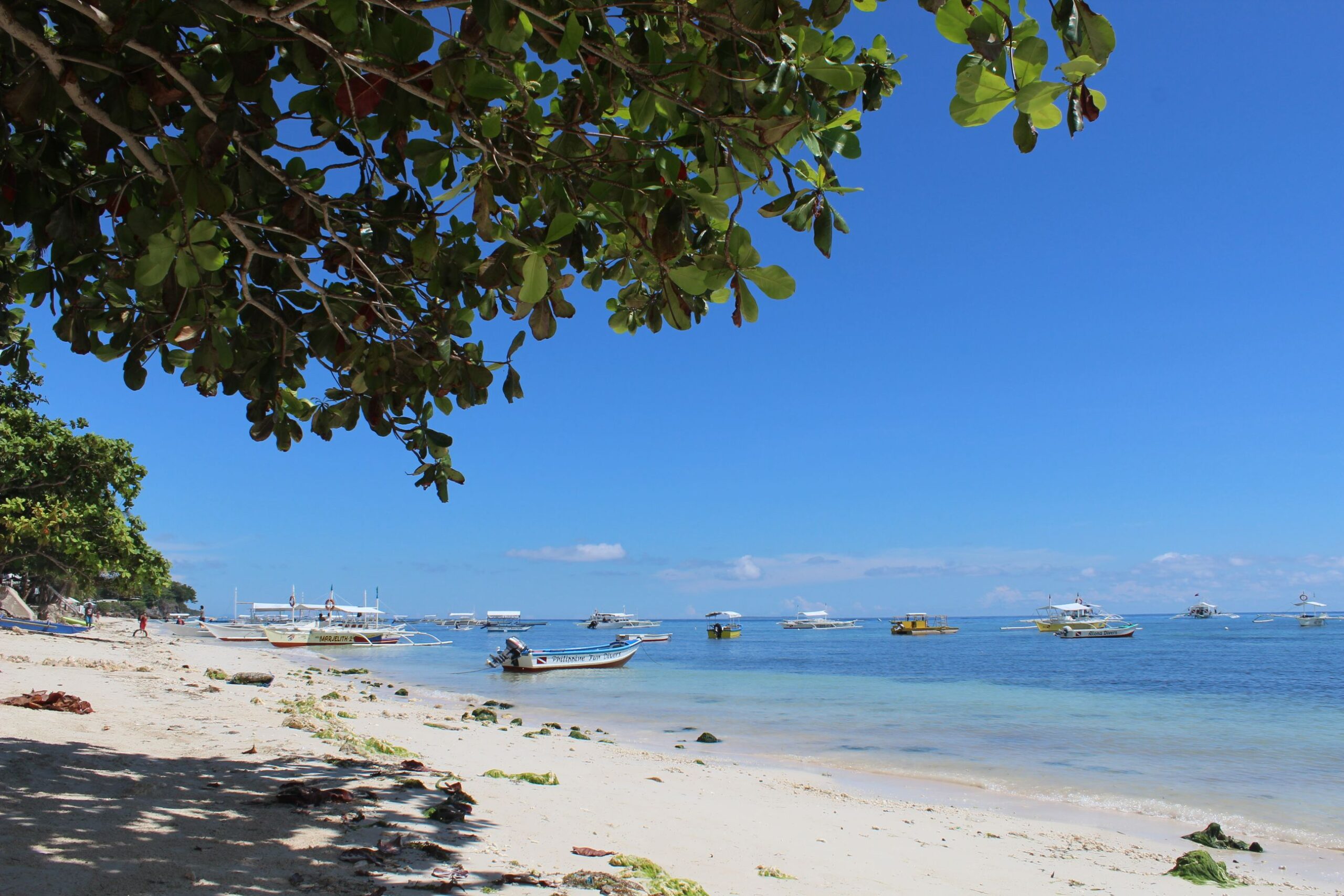
Balicasag Island is one of the province’s best-known marine destinations, with coral reefs, reef fish, and opportunities to observe sea turtles.
Boat trips commonly depart from Panglao in the morning. The provincial tourism office recommends early departures, partly because afternoon sea conditions can become less favorable.
I’d reserve a separate morning for Balicasag rather than squeezing it between countryside activities.
Choose a responsible boat operator, follow snorkeling boundaries, and maintain distance from marine wildlife. Never stand on coral, touch turtles, or chase animals for photographs.
If you’re planning to dive, arrange equipment, certification requirements, and available dive slots with your operator beforehand.
Ask for the full boat-tour price before paying. Clarify whether environmental fees, snorkeling guides, equipment rental, and transfers are included. These charges aren’t always presented as one package.
Visit Pamilacan Island for Marine Life and Island Scenery
Pamilacan Island offers another excellent marine-focused excursion, particularly if you’re interested in dolphin watching and snorkeling.
According to Bohol’s provincial tourism office, traditional marine-life tours depart early from Baclayon and search offshore waters where dolphins may be encountered.
The island itself is also worth experiencing, with coastal scenery and opportunities to enjoy the surrounding waters.
I’d choose Pamilacan as an alternative to Balicasag if I wanted a different island experience. Doing both is worthwhile for marine enthusiasts, but it requires two separate outings.
Wild dolphins are never guaranteed sightings. Responsible encounters should involve observing from an appropriate distance without chasing, feeding, or surrounding the animals.
Sea conditions determine whether trips proceed, so confirm arrangements and have a flexible alternative planned.
Head East to the Impressive Can-umantad Falls
Eastern Bohol is where I’d slow the itinerary down and spend more time away from the province’s busiest tourist areas.
Can-umantad Falls in Candijay is considered Bohol’s tallest waterfall. Water descends over a broad rock face into the surrounding landscape, creating one of the province’s most impressive natural sights.
Reaching the area involves traveling through the countryside, and the final approach may depend on local road and trail conditions.
I’d arrange local transportation rather than assume a regular passenger vehicle can reach every access point comfortably.
The waterfall pairs naturally with the nearby Cadapdapan Rice Terraces, making the combination particularly appealing for a full morning of exploration.
Check whether access or swimming areas are restricted after heavy rainfall.
Walk Among the Cadapdapan Rice Terraces
The Cadapdapan Rice Terraces are a reminder that some of the Philippines’ most beautiful landscapes have been shaped by generations of farming.
Terraced fields follow the contours of the hills, forming layered patterns across the countryside. Their colors depend on the agricultural cycle, changing between green growth, golden crops, and recently prepared fields.
I’d spend time enjoying the scenery rather than expecting the terraces to look identical throughout the year.
Remember that these are working agricultural areas, not simply a photography attraction. Stay on approved paths, avoid stepping into planted sections, and ask permission before entering private property.
Combine the terraces with Can-umantad Falls, allowing extra time for the rural roads and changing conditions.
Hike the Rolling Hills of Alicia Panoramic Park
If I had to choose one more demanding land adventure in Bohol, Alicia Panoramic Park would be high on the list.
The Binabaje Hills offer grassy ridges and expansive views across eastern Bohol. Unlike the Chocolate Hills observation complex, enjoying this landscape involves an actual hike.
The terrain is exposed, with limited shade along many sections. I’d start early, carry sufficient water, and arrange a local guide familiar with the current trail conditions.
Expect uneven ground and slopes that become slippery after rain. Proper footwear matters more here than having the perfect outfit for photographs.
I’d reserve roughly half a day for the experience, including transportation and the hike, instead of adding it casually to an already crowded schedule.
The best part is the feeling of space. From the ridges, the countryside opens in several directions, giving you a completely different perspective on Bohol.
Explore the Limestone Cave Pools of Anda
Anda is better known among some travelers for its beaches, but its limestone cave pools are equally interesting.
Among the recognized attractions are Cabagnow Cave Pool and Combento Cave Pool, both formed through natural processes involving limestone and groundwater.
These places reveal another part of Bohol’s geological character. Water has gradually shaped openings and underground spaces, creating pools surrounded by rock formations.
I’d confirm access conditions before planning to swim. Some cave pools have steep approaches, deep water, or restrictions that can change over time.
Never jump into a cave pool without verified local guidance, and don’t assume that clear water means the depth or underwater hazards are easy to judge.
Stay overnight in Anda if possible. Its location makes it an excellent base for exploring the eastern side of the province.
Explore Lamanoc Island’s Mangroves, Caves, and History
Lamanoc Island brings together several things I enjoy about exploring the Philippines: unusual geology, local history, and landscapes that make you curious about what happened there long before modern tourism.
Located near Anda, the island is associated with limestone formations, archaeological heritage, and traditional stories connected to the surrounding area.
Visits have traditionally involved passing through mangrove surroundings and taking a small boat toward the island.
I’d arrange a local guide because the cultural context makes the natural scenery much more meaningful. The caves and rock formations aren’t simply backdrops for photographs.
Access depends on local arrangements and conditions, so confirm that guided visits are operating before making the journey.
This is an excellent final stop for an eastern Bohol itinerary, especially if you’ve already spent time exploring Anda’s beaches and cave pools.
How I’d Arrange These Nature Experiences into a Realistic Itinerary
Fourteen ideas don’t mean fourteen consecutive stops. Some activities deserve a full morning, while others work naturally together.
I’d use the following routes as starting points, then adjust them based on accommodation, available transportation, and the weather.
5-Day Bohol Nature Itinerary
| Day | Nature experiences | Suggested base |
|---|---|---|
| Day 1 | Arrival, Panglao coastline, and a relaxed beach afternoon | Panglao |
| Day 2 | Corella Tarsier Sanctuary, Loboc River, Bilar, and Chocolate Hills | Panglao or Loboc |
| Day 3 | Balicasag Island snorkeling or a Pamilacan marine-life excursion | Panglao |
| Day 4 | Travel east, visit Cadapdapan Rice Terraces and Can-umantad Falls | Anda |
| Day 5 | Anda cave pools, coastal scenery, and onward departure if timing permits | Anda or departure |
Five days is enough for a rewarding nature-focused trip, but I wouldn’t add Alicia’s hike or several additional waterfall excursions unless something else is removed.
7-Day Bohol Nature Itinerary
With seven days, I’d spend the first three around Panglao and central Bohol, including the Chocolate Hills, tarsiers, Loboc, and one marine excursion.
Use Day 4 for Rajah Sikatuna Protected Landscape or Mag-Aso Falls, depending on your interests. An Abatan River firefly tour can occupy a separate evening when available.
Travel east on Day 5 for Candijay’s rice terraces and waterfall. Dedicate Day 6 to Alicia Panoramic Park, then spend Day 7 around Anda’s cave pools or Lamanoc Island.
For a flight home from Panglao, I’d strongly consider an eighth day or return west the evening before departure. Anda is not close to the airport, and a long road transfer shouldn’t be left to chance.
Transportation and Budget Planning for Bohol’s Nature Attractions
Transportation will shape how many places you can realistically visit.
Public buses and vans connect major towns, but they’re less convenient for combining waterfalls, forest trails, and rural viewpoints in one day.
For a countryside circuit, I’d compare a private vehicle with driver against a guided tour. A motorcycle is another option for experienced, properly licensed riders, although rough roads and unpredictable weather make some rural routes challenging.
The following are personal planning allowances, not published attraction prices or guaranteed operator quotations.
| Expense | Planning approach | Important consideration |
|---|---|---|
| Accommodation and meals | Set aside a provisional ₱1,500–₱3,000 per person daily | Depends on room sharing and comfort level |
| Countryside transportation | Request a current private-car or tour quotation | Check which entrance fees are included |
| Marine excursions | Budget separately for boats, guides, and equipment | Environmental charges may be additional |
| Hiking and rural attractions | Confirm guide fees and local transport costs | Remote destinations may require special arrangements |
I’d keep a separate emergency reserve for weather disruptions, medical needs, or an unexpected extra night. Cash is particularly useful when traveling beyond the main tourism centers.
When Is the Best Time for a Nature-Focused Trip to Bohol?
I’d generally favor December through April for a trip involving hiking, countryside driving, and marine excursions, although favorable weather isn’t guaranteed.
The drier months can make outdoor activities easier, but exposed hill trails become hot, particularly toward midday. Earlier departures are worth the effort.
Wetter periods can bring greener landscapes and stronger waterfall flows, but slippery trails, rough seas, and weather-related closures are important considerations.
For marine activities, check actual sea conditions rather than relying on a general seasonal forecast. Strong winds can affect island trips even when the sky looks clear.
Before departure, review PAGASA weather information and follow local operators’ safety decisions.
Practical Tips for Exploring Bohol’s Natural Attractions
I’d pack differently for this itinerary than for a typical beach vacation. Lightweight clothing is useful, but proper walking shoes, a rain jacket, drinking water, and a dry bag become much more important when you’re moving between different environments.
For wildlife encounters, patience matters. Don’t expect animals to appear on command, and never pressure guides to disturb them for a better photograph.
At waterfalls and cave pools, pay attention to local warnings. Sudden changes in water levels and slippery surfaces are serious hazards.
I’d also download offline maps before leaving Panglao or Tagbilaran. Mobile reception and electronic payment options may be less reliable in remote areas.
For travelers with limited mobility, discuss accessibility directly with attraction management. Several viewpoints involve stairs, while caves, waterfalls, boats, and hiking trails can have uneven surfaces and difficult access.
Don’t attempt all fourteen experiences in a single short trip. Choose the landscapes that interest you most, group nearby attractions, and allow time for delays. Nature-focused travel is much more enjoyable when the schedule leaves room to actually appreciate the surroundings.
Frequently Asked Questions About Nature Travel in Bohol
How many days do I need for a nature-focused Bohol itinerary?
Five days works for the main countryside attractions, one marine excursion, and a short eastern Bohol extension. I’d recommend seven to eight days if you want to add hiking, waterfalls, forest exploration, and more time around Anda.
Can I visit the Chocolate Hills and tarsiers on the same day?
Yes. Corella’s Philippine Tarsier Sanctuary and the Chocolate Hills in Carmen are commonly included in the same countryside tour, along with Loboc and Bilar. A full day is more comfortable than trying to rush through the route.
Is Anda worth visiting if I’m already staying in Panglao?
Yes, particularly for travelers interested in cave pools, quieter beaches, and access to eastern Bohol. I’d stay overnight in Anda rather than attempt a rushed return journey from Panglao.
Which Bohol nature activities are suitable for families?
The Chocolate Hills viewpoint, guided tarsier sanctuary visits, and Loboc River cruises are popular options. Consider children’s ages, walking ability, heat exposure, and any current attraction restrictions. Swimming, caves, and boat trips require closer safety assessment.
Can I explore Bohol’s nature attractions without renting a vehicle?
Yes. Guided countryside tours and locally arranged transfers are practical alternatives. Public transportation reaches many towns, but rural attractions often require additional transfers and more flexible scheduling.
Is it possible to see dolphins and sea turtles in Bohol?
Yes. Balicasag is known for marine life including sea turtles, while Pamilacan has established dolphin-watching activities. These are wild-animal encounters, so sightings are not guaranteed. Always choose responsible operators.
Which destinations are best for travelers who enjoy hiking?
Alicia Panoramic Park is an excellent choice for an exposed ridge hike. Rajah Sikatuna Protected Landscape offers opportunities for forest-focused exploration, subject to authorized trail access and local guide arrangements.
Which Bohol Nature Experiences Would I Prioritize?
For a first visit, I’d start with the Chocolate Hills, Corella’s tarsiers, Loboc River, and one marine excursion around Balicasag or Pamilacan.
With more time, I’d head east. Candijay’s waterfalls and rice terraces, Alicia’s grassy ridges, and Anda’s limestone landscapes add an entirely different side to the journey.
What appeals to me most about Bohol is how quickly the scenery changes. A drive through the countryside can lead from forests and hills to farmland, rivers, and finally the sea.
There’s plenty here to fill a busy itinerary, but I wouldn’t rush all fourteen places simply to check them off.
Sources and Further Reading
Destination descriptions, geographical information, protected-area details, and suggested activities were checked against official Bohol tourism and government resources. Transport arrangements, entrance policies, tour operations, and environmental conditions can change. Confirm the latest information directly before visiting.
- Bohol Provincial Tourism Office: Bohol Island UNESCO Global Geopark
- Behold Bohol: Official Countryside Tour
- Behold Bohol: Philippine Tarsier Sanctuary
- Behold Bohol: Bilar and Rajah Sikatuna Protected Landscape
- Behold Bohol: Candijay Waterfalls and Rice Terraces
- Behold Bohol: Alicia Panoramic Park
- Behold Bohol: Anda Cave Pools and Lamanoc Island
- Behold Bohol: Balicasag Island
- Behold Bohol: Pamilacan Island Marine Life Tour
- Municipal Government of Maribojoc: Abatan River Firefly Watching
- PAGASA: Official Marine Weather and Gale Warnings
For more Philippine travel ideas and province-specific guides, visit Every Province PH.