
Best Places to Visit in Metro Manila for a First-Time Trip
For a first-time trip, I’d prioritize Intramuros, Fort Santiago, Rizal Park, the National Museum Complex, Binondo, Quiapo, Manila Bay, Makati, Bonifacio Global City, and Quezon Memorial Circle. These destinations introduce you to the capital’s history, food, culture, and modern urban life. Three days is a good starting point, although four or five days gives you more breathing room. If you’re short on time, focus on historic Manila and Binondo before attempting destinations farther apart.
On This Page
Metro Manila has a way of throwing everything at you at once. Jeepneys squeeze between buses, street vendors shout over traffic, and modern skyscrapers rise behind buildings that have survived centuries of Philippine history. There’s always something happening, even on streets that look completely ordinary.
What I find fascinating is how dramatically the atmosphere changes between neighborhoods. Walk through Intramuros, and you’re surrounded by stone walls, old churches, and reminders of Spanish colonial Manila. Head to Binondo, and suddenly it’s steaming dumplings, busy bakeries, Chinese signboards, and narrow streets packed with people looking for something good to eat.
Travel a little farther toward Makati or Bonifacio Global City, and you’ll encounter another version of the capital altogether.
But Metro Manila has one frustrating habit: making places that look close on a map feel surprisingly far apart. Its traffic can turn an ambitious itinerary into several hours of sitting inside a vehicle.
That’s why I wouldn’t recommend visiting every popular attraction just because somebody included it on a checklist. I’d rather explore fewer neighborhoods properly, eat somewhere interesting, and leave enough time for the unexpected.
Here are ten places I’d put on a first-time itinerary, including what to see, how much time to allow, and which destinations work best together.
What Should You Know Before Exploring Metro Manila?
First, Metro Manila isn’t the same as the City of Manila. The National Capital Region consists of 16 cities and the municipality of Pateros, with attractions scattered across a large metropolitan area.
For your first day, I’d start in the historic City of Manila. Intramuros, Rizal Park, and the National Museum Complex are close enough to combine sensibly. Binondo and Quiapo occupy neighboring districts, while Makati, Taguig, and Quezon City deserve separate portions of your itinerary.
I’d also plan around the weather. Walking through old Manila at noon is a very different experience from wandering around its streets early in the morning. Bring water, wear comfortable shoes, and schedule indoor breaks.
Intramuros: Walk Through Centuries of Philippine History
Intramuros is where I’d begin. Established during Spanish colonial rule, this fortified district contains some of Manila’s most recognizable historical landmarks.
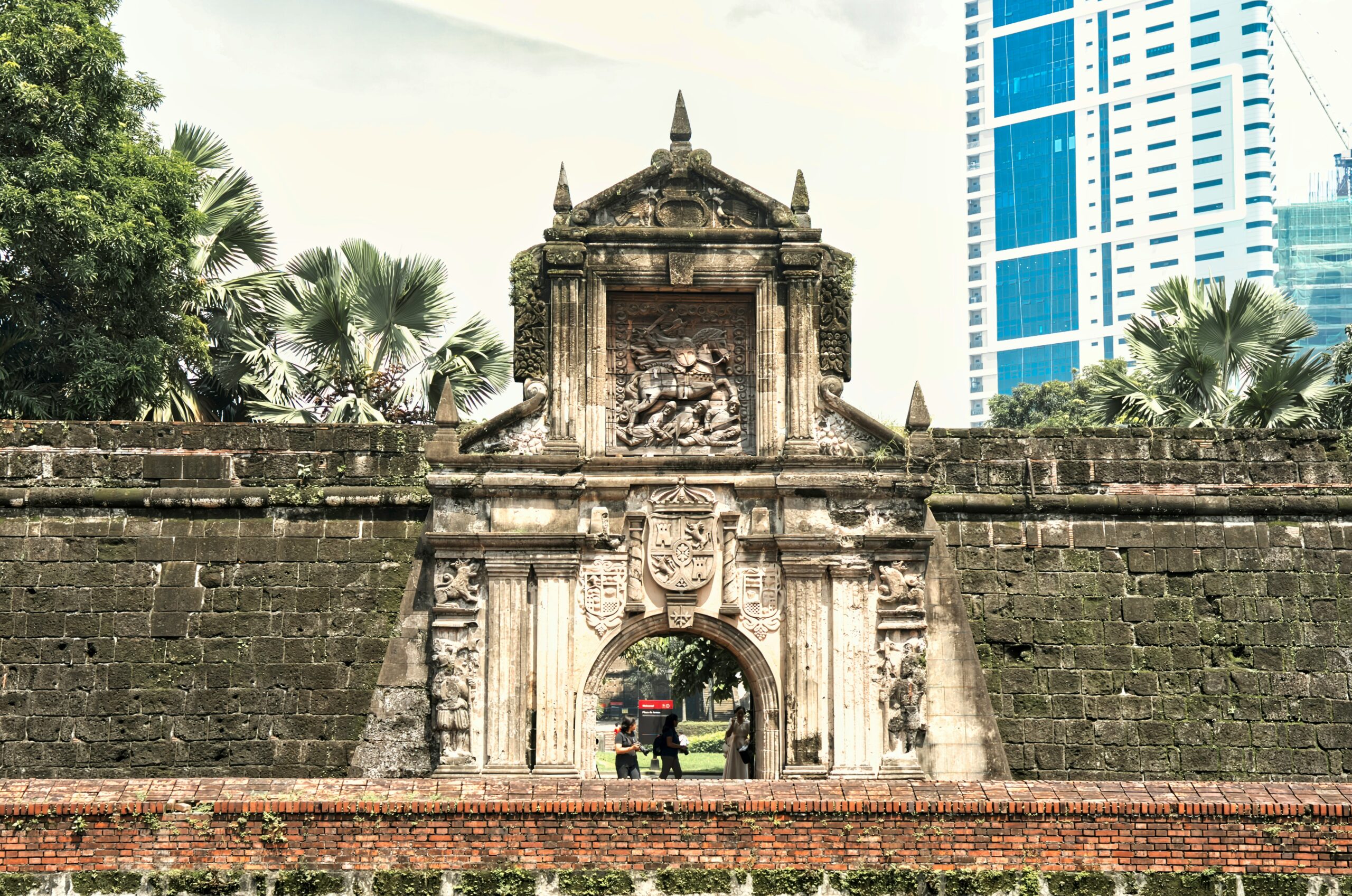
Start at Plaza de Roma, beside Manila Cathedral, then continue toward San Agustin Church. Completed in 1607, San Agustin is the country’s oldest surviving stone church and belongs to the UNESCO-listed Baroque Churches of the Philippines.
There’s something particularly interesting about the contrast between the quiet church interiors and the busy streets outside. You can hear traffic beyond the walls, yet parts of Intramuros still feel distinctly removed from the surrounding metropolis.
I’d also stop at Casa Manila Museum, which recreates aspects of upper-class domestic life during the Spanish colonial period. Nearby Plaza San Luis is worth exploring for its architecture.
Allow around three to four hours, more if you’re joining a guided walking tour. Intramuros’ public streets are generally free to explore, although museums and individual attractions charge admission.
For a comfortable visit, go early, carry an umbrella, and don’t wear shoes that struggle with uneven pavement.
Fort Santiago: More Than an Old Military Fortress
Inside Intramuros, Fort Santiago deserves a proper visit rather than a quick photograph at its entrance.
The fortress played an important role in Manila’s colonial defenses and later became associated with imprisonment, wartime suffering, and the Philippine independence movement.
Its connection to José Rizal is especially significant. The national hero was imprisoned here before his execution on December 30, 1896. The Rizal Shrine and commemorative displays help explain the events surrounding his final days.
I recommend reading the exhibits instead of rushing through the landscaped grounds. The fortress looks peaceful in places, but its history is anything but.
Allow one to two hours. The Intramuros Administration lists regular admission at ₱75, with a ₱50 discounted rate for eligible students, senior citizens, and persons with disabilities.
Check the official Intramuros operating hours and fees before visiting because individual exhibits and historical areas may have different access arrangements.
Fort Santiago, Manila Cathedral, San Agustin Church, and Casa Manila belong on one walking route. You don’t need separate transport between these stops. Bring drinking water and allow time for security checks and breaks.
Rizal Park: Manila’s Most Recognizable Public Landmark
Rizal Park, more commonly called Luneta, is another landmark I’d include on a first visit. It occupies an important place in Philippine history, particularly because of its association with Rizal’s execution.
The centerpiece is the Rizal Monument, where the national hero’s remains are interred. Ceremonial guards and the surrounding memorial grounds give the site a solemn character.
But the park isn’t exclusively about history. Families gather under trees, visitors stroll along its pathways, and children enjoy the open spaces. It’s a welcome change from Manila’s crowded roads.
I’d allow around an hour for a leisurely visit, especially if you’re continuing to the National Museum Complex nearby.
Public areas of the park are generally accessible without admission charges. Individual facilities may operate under separate rules, and some sections can close for maintenance or events.
Late afternoon is particularly pleasant, although weekend crowds can be substantial.
National Museum Complex: Art, History, and Nature Under One Destination
The National Museum Complex is one of Metro Manila’s best attractions, particularly because admission to its principal museums is free.
The National Museum of Fine Arts houses major works by Filipino artists, including Juan Luna’s enormous painting Spoliarium. Standing before a painting of that scale is quite different from seeing it reproduced in a history textbook.
At the National Museum of Anthropology, you’ll encounter archaeological collections and exhibits covering the cultural traditions of Philippine communities.
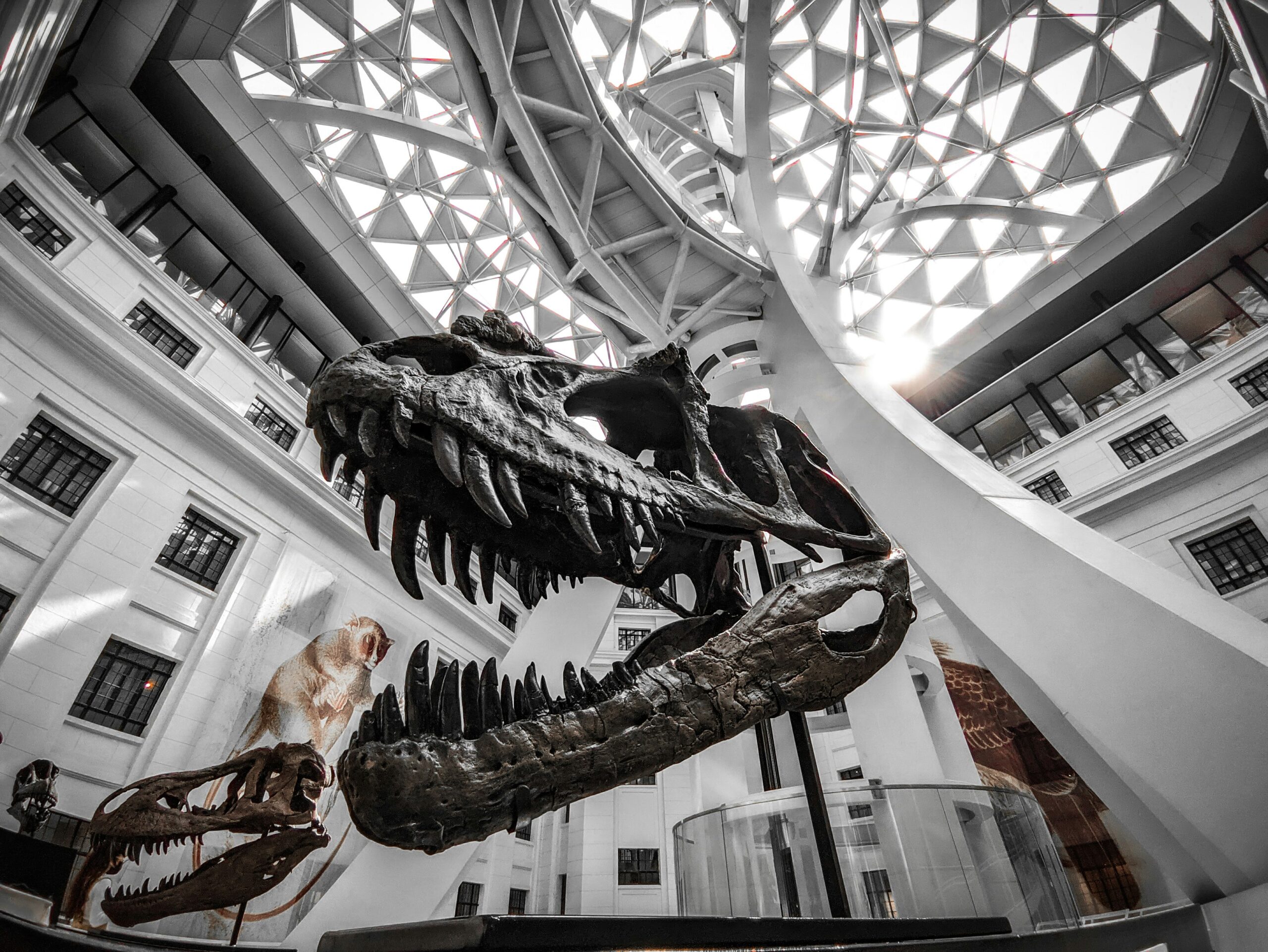
Meanwhile, the National Museum of Natural History focuses on biodiversity, wildlife, and the country’s natural environment. Its striking central architectural feature, the Tree of Life, is worth seeing.
I’d choose one or two museums rather than attempt all three in a hurry. Allow at least two hours for a building if you enjoy reading exhibits.
The complex has offered daily opening since January 2025, but holiday schedules and temporary gallery closures can change. Check the National Museum’s official visitor portal.
Bring identification, travel light, and follow baggage restrictions. Large backpacks, food, and certain photography equipment may not be allowed inside exhibition spaces.
Binondo Chinatown: Come Hungry and Stay Curious
Binondo is one destination where I wouldn’t recommend arriving immediately after a big meal.
Established in 1594, it’s widely recognized as the world’s oldest Chinatown. Today, its streets are crowded with bakeries, noodle shops, restaurants, traditional businesses, and people hunting for their next favorite snack.
Begin near Binondo Church, then wander toward Ongpin Street and the smaller surrounding lanes. You’ll encounter steaming dumplings, the aroma of freshly baked hopia, and busy kitchens preparing Chinese-Filipino specialties.
Some established food stops include Eng Bee Tin for hopia, Sincerity Café for its fried chicken, and Dong Bei Dumplings for handmade dumplings. Check current branches and opening hours before going.
I’d make this a food crawl rather than a single restaurant visit. Order small portions, share dishes with your companions, and leave space for dessert.
Allow two to three hours. Weekends and Chinese New Year can bring particularly heavy crowds, so keep your belongings close and avoid blocking narrow shop entrances.
Quiapo: Experience the Everyday Energy of Old Manila
Quiapo isn’t the most polished part of Metro Manila, and that’s exactly why it belongs on this list.
The district revolves around Quiapo Church, formally the Minor Basilica and National Shrine of Jesus Nazareno, one of the Philippines’ important Catholic pilgrimage destinations.
Outside, you’ll find flower vendors, religious merchandise, small businesses, and crowded streets where seemingly everything is being bought or sold.
For something different, explore the area around Hidalgo Street, historically associated with photography equipment and camera shops. The nearby streets also contain fascinating old buildings and commercial establishments.
I’d visit Quiapo during daylight, especially on a first trip. Avoid displaying expensive equipment unnecessarily, be alert around dense crowds, and respect people attending religious services.
The district offers an energetic glimpse of Manila that feels completely different from the landscaped paths and restored architecture of Intramuros.
Manila Bay and Mall of Asia: End the Day by the Water
After several hours navigating Manila’s busy streets, an evening near Manila Bay feels like a welcome change.
The waterfront is famous for its sunsets. On a clear evening, the sky can shift from bright gold to deeper orange as the sun drops toward the horizon.
For an easy dinner afterward, head to SM Mall of Asia in Pasay. It’s one of the capital’s major shopping and entertainment complexes, with restaurants, retail stores, and leisure attractions.
I’d recommend this area for families or travelers who want something straightforward after a tiring sightseeing day. You can find food, browse shops, and enjoy designated waterfront spaces without organizing another complicated excursion.
Remember that Manila Bay isn’t a swimming destination. Follow local waterfront restrictions and avoid entering unsafe sections.
Expect significant crowds on weekends and holidays. If sunset is your priority, arrive early enough to find a comfortable viewing spot.
Makati: Discover the Capital’s Modern Business District
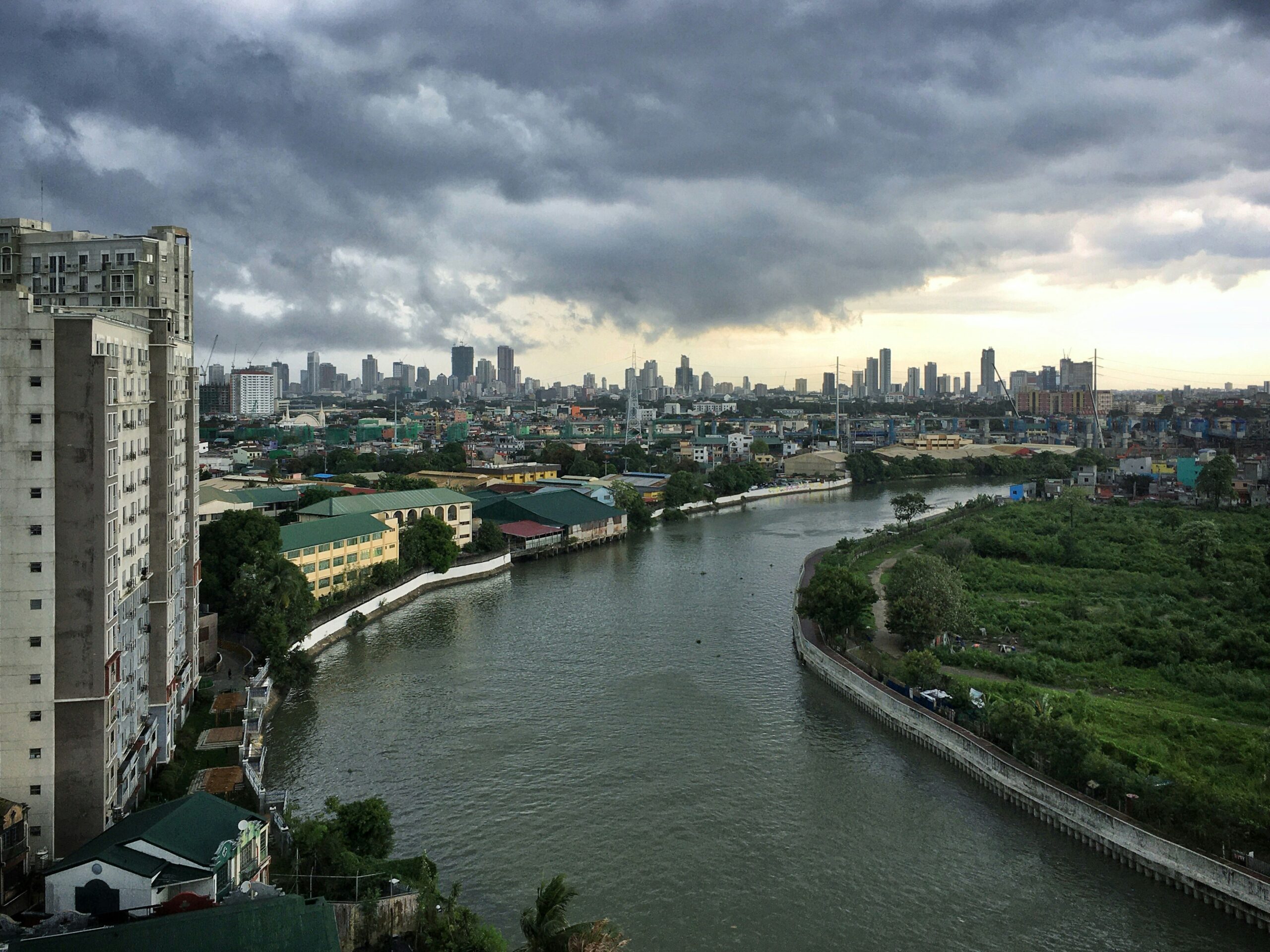
Makati offers a striking contrast to the older districts of Manila. Instead of crowded heritage streets, you’ll find office towers, landscaped commercial spaces, shopping centers, and restaurants representing cuisines from around the world.
I’d start at Ayala Triangle Gardens, a green space surrounded by high-rise buildings. It’s particularly pleasant in the morning before the surrounding business district becomes busier.
For Philippine history and art, visit the Ayala Museum near Greenbelt. Its collections and exhibitions make a worthwhile addition to an itinerary that already includes the National Museum.
If food and nightlife interest you, look into Poblacion, known for its varied dining establishments and evening entertainment.
I’d spend half a day around Makati, extending into the evening if you’re interested in restaurants or nightlife.
For accommodations, Makati is a practical choice because of its hotels, commercial facilities, and access to major transport corridors.
Bonifacio Global City: Street Art, Architecture, and City Walks
Bonifacio Global City, or BGC, almost feels like a different city compared with traditional Manila neighborhoods.
Its carefully planned streets, modern buildings, pedestrian-friendly commercial areas, and public artworks create a distinctly contemporary atmosphere.
Start around Bonifacio High Street, where you’ll find cafés, restaurants, retail stores, and open-air spaces.
Keep an eye out for the district’s large murals. They’re among the most interesting visual details in an area otherwise dominated by modern architecture.
Families can also consider The Mind Museum, which features interactive science exhibitions. Admission is paid, so check ticketing information before visiting.
I’d combine BGC with Makati on the same day. Traveling between these districts is more sensible than returning repeatedly to the City of Manila.
The area is generally comfortable for walking, although pedestrian crossings, traffic, and daytime heat still deserve attention.
Quezon Memorial Circle: A Relaxing Stop in Quezon City
Quezon City has its own collection of interesting destinations, and Quezon Memorial Circle is an excellent introduction.
Located along Elliptical Road, the park surrounds the Quezon Memorial Shrine, dedicated to former President Manuel L. Quezon. The shrine also serves as the burial place of Quezon and his wife, Aurora.
Beyond its historical significance, the grounds contain gardens, recreational facilities, walking spaces, and areas where families gather.
I’d visit early in the morning, when the temperature is more comfortable and the park feels less hectic.
The Quezon City Government lists the park as open daily from 5 AM to 10 PM, with free general admission. Certain facilities and activities may have separate fees or schedules.
Use designated pedestrian underpasses when entering from surrounding roads. Elliptical Road carries heavy traffic and shouldn’t be crossed casually.
Because Quezon City is farther from the historic Manila attractions, I’d include this stop on a fourth day or substitute it for another destination based on your interests.
How I’d Spend Three Days Exploring Metro Manila
I’d organize the trip geographically instead of jumping between distant attractions. This saves time, reduces transportation expenses, and makes the experience considerably less exhausting.
| Day | Destinations | Main experience |
|---|---|---|
| Day 1: Historic Manila | Intramuros, Fort Santiago, San Agustin Church, Rizal Park | Architecture, heritage, and Philippine history |
| Day 2: Museums and Local Food | National Museum Complex, Binondo, optional Quiapo | Art, culture, street markets, and Chinatown cuisine |
| Day 3: Modern Metro Manila | Makati, BGC, optional Mall of Asia | City walks, restaurants, architecture, and shopping |
How to Keep the Itinerary Enjoyable
Day 1: Begin at Fort Santiago, walk through Intramuros, and visit Rizal Park later in the afternoon. Stop for lunch and don’t rush through the historical attractions.
Day 2: Explore one or two National Museum buildings before heading to Binondo for a late lunch. Visit Quiapo only if you still have enough time and energy.
Day 3: Start around Ayala Triangle Gardens, continue to BGC, and reserve the evening for dining or a waterfront visit if traffic allows.
With four or five days, add Quezon Memorial Circle, spend longer in the museums, or explore neighborhoods that caught your attention.
I’d avoid making Mall of Asia mandatory after Makati and BGC. Crossing another busy part of the metropolis after a full day can be tiring. Treat it as an optional evening stop rather than something you absolutely need to complete.
Transportation, Travel Expenses, and Where to Stay
Most travelers arriving by air will pass through Ninoy Aquino International Airport, commonly called NAIA. Check your assigned terminal because terminals are separated and transfers can take time.
For sightseeing, I’d combine rail transportation with short taxi or ride-hailing trips. LRT-1 is useful for several Manila destinations, while MRT-3 connects important areas along EDSA.
Grab is convenient for direct transfers, especially when carrying luggage. Jeepneys and buses are usually cheaper but require more familiarity with routes and stops.
Accommodation location matters. I’d consider Ermita for old Manila sightseeing, Makati for restaurants and general convenience, or BGC for a modern commercial environment.
Many public attractions are inexpensive or free, including the National Museum and Quezon Memorial Circle. Budget separately for paid museums, food, transportation, guided tours, and accommodation.
Keep some cash for smaller food stalls and transportation, even if you usually pay electronically.
When Is the Best Time to Visit Metro Manila?
I’d generally choose December through February for a trip involving plenty of walking. These months are usually less hot than the peak summer period, although daytime temperatures can still feel uncomfortable.
March to May brings hotter conditions, so museums and indoor attractions become particularly useful during the middle of the day.
From June through November, wetter weather and occasional flooding can complicate outdoor activities and transportation.
The Christmas season is especially lively, with decorations, shopping activity, and festive events. It also brings heavier traffic around major commercial districts.
Before heading out, check the latest forecasts from PAGASA, especially during periods of heavy rainfall or tropical cyclone activity.
Common First-Time Metro Manila Travel Mistakes
The biggest mistake is assuming that destinations close on a map are easy to visit consecutively. Traffic congestion can make even relatively short journeys unpredictable.
I’d also avoid packing too much into one day. The capital’s heat, crowded sidewalks, and transport transfers can be surprisingly tiring.
Keep your valuables secure in markets and busy transport terminals. Use established transportation services, check fares, and stay aware of your surroundings.
For families, older travelers, and people with limited mobility, verify accessibility before visiting older buildings. Heritage areas may contain uneven streets, staircases, or limited step-free access.
Finally, don’t overlook the small experiences. A neighborhood bakery, a busy morning market, or a conversation over lunch can tell you as much about Manila as its famous landmarks.
Download offline maps, carry a power bank, and save your accommodation address. If you’re unfamiliar with the public transport network, check your route before leaving rather than figuring it out beside a crowded road.
Frequently Asked Questions About Visiting Metro Manila
How many days are enough for a first-time Metro Manila trip?
Three days is enough for a focused introduction covering historic Manila, museums, Chinatown, and modern districts. I’d recommend four or five days if you want to include Quezon City and explore without rushing.
What is the best place to visit first in Metro Manila?
I’d begin with Intramuros because several important landmarks are concentrated within one historic district. Fort Santiago, San Agustin Church, Manila Cathedral, and Casa Manila are particularly worthwhile.
Can I explore Metro Manila without renting a car?
Yes. Rail lines, jeepneys, buses, taxis, and ride-hailing services connect many destinations. Group attractions geographically and use rail transportation where practical to reduce travel time.
Is Metro Manila expensive for tourists?
It accommodates different budgets. Many public attractions are free, and inexpensive meals are widely available. Accommodation, private transport, shopping, and paid entertainment will determine how much you spend.
Where should first-time visitors stay in Metro Manila?
Makati is a practical base for hotels, dining, and commercial facilities. Ermita offers convenient access to historic Manila attractions, while BGC suits visitors who prefer modern accommodation and a planned urban setting.
Is Metro Manila safe for first-time travelers?
Popular tourist districts welcome many visitors, but normal urban precautions are important. Secure valuables, remain alert in crowded areas, use reliable transportation, and avoid isolated unfamiliar streets late at night.
What are the best places to visit in Metro Manila with children?
Rizal Park, the National Museum of Natural History, Quezon Memorial Circle, The Mind Museum, Manila Ocean Park, and Mall of Asia offer activities that can appeal to families. Check current admission policies and facilities before visiting.
Where Would I Begin My First Metro Manila Adventure?
I’d start with Intramuros, continue toward the museums, and make time for Binondo’s food scene. Those destinations provide an excellent introduction to the capital’s history, culture, and everyday life.
Then I’d explore Makati or BGC to experience the other side of Metro Manila, where contemporary buildings, public art, and busy commercial districts create an entirely different atmosphere.
The capital isn’t always convenient. Traffic can test your patience, the weather can slow you down, and the most interesting streets aren’t necessarily the most comfortable to walk through.
But that’s part of understanding a metropolis as complicated and fascinating as Manila.
Sources and Further Reading
Historical information, museum access, destination details, and public park arrangements were checked against official tourism, government, and heritage resources. Prices, operating hours, transportation arrangements, and attraction access may change. Confirm current details before visiting.
- Intramuros Administration: Historic Sites, Operating Hours, and Admission Fees
- Intramuros Administration: Museums and Historical Attractions
- UNESCO World Heritage Centre: Baroque Churches of the Philippines
- National Museum of the Philippines: Visitor Information and Reservations
- Philippine Tourism: Binondo Chinatown Destination Guide
- Quezon City Government: Quezon Memorial Circle
- Quezon City Government: Quezon Memorial Circle Facilities and Development
- PAGASA: Philippine Weather Forecasts and Advisories
For more destination guides, local travel experiences, and practical information about exploring the Philippines, visit Every Province PH.
Was this page helpful?
Your feedback helps us improve our Philippine travel guides.