
16 Factors to Weigh When Planning a Benguet Itinerary
Planning a Benguet itinerary comes down to 16 important considerations, particularly your travel dates, destinations, mountain-road travel times, transportation, accommodation, budget, and physical fitness. For a first visit, I’d recommend 3–4 days exploring La Trinidad, Atok, and nearby attractions. Allow 5–7 days if you’re adding Mount Pulag, Kabayan, or other distant municipalities. Travel between attractions can take longer than expected, so group destinations geographically, start early, and keep a backup plan for fog, rainfall, and road disruptions.
On This Page
Benguet has a funny way of making distances look harmless. You check a map, see two attractions separated by a few winding roads, and think you can squeeze both into the same morning. Then you encounter a vegetable truck climbing a mountain, a stretch of thick fog, and another bend that reveals an entirely different valley.
That’s part of what makes traveling through Benguet interesting. The province has strawberry farms, pine-covered mountains, flower gardens, old communities, and spectacular hiking destinations. But enjoying them requires a little more planning than simply arranging attractions from nearest to farthest.
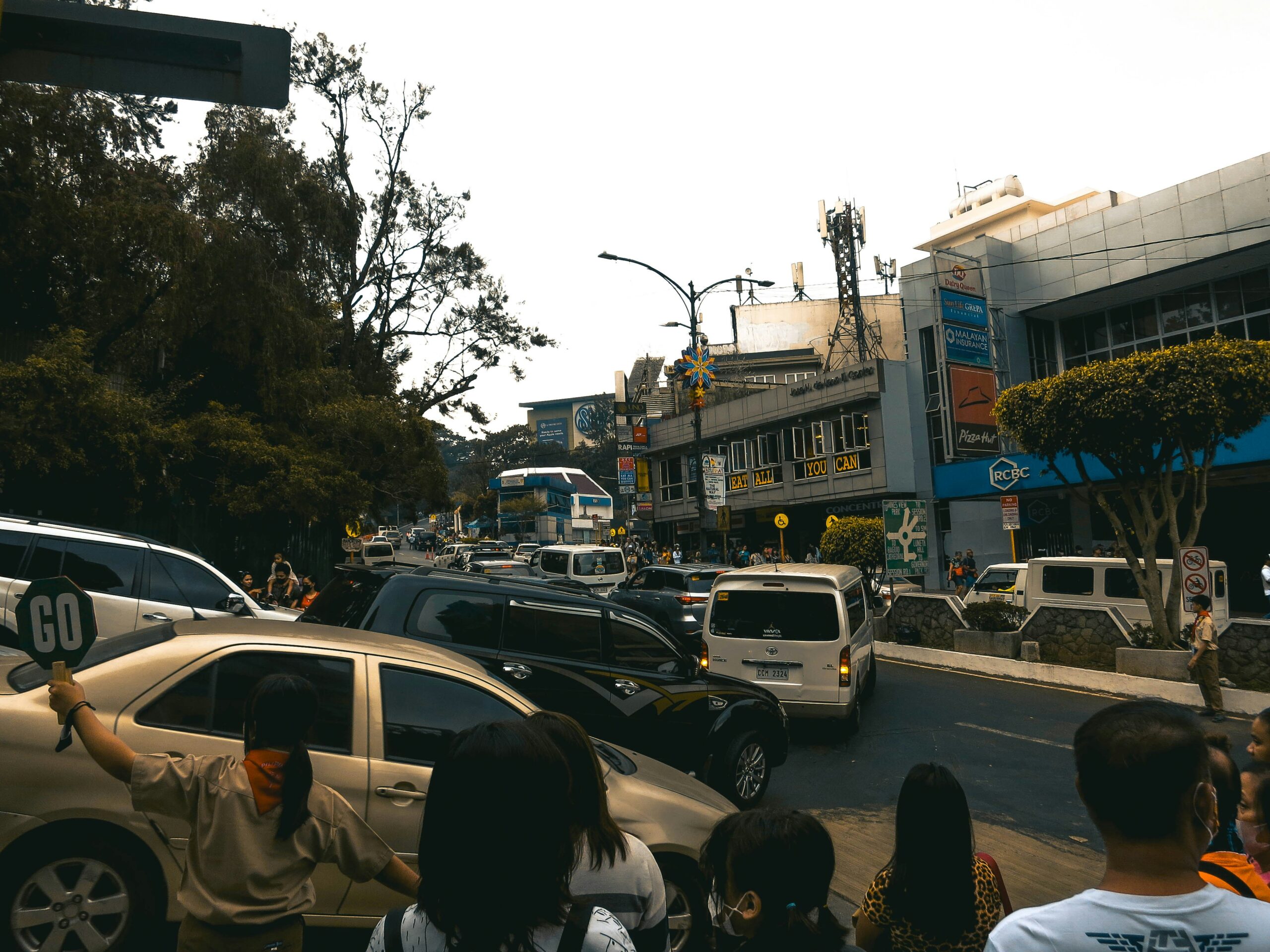
I love how quickly the atmosphere changes here. The busy streets of La Trinidad gradually give way to terraced vegetable farms, colder mountain air, and quiet communities where the pace of everyday life feels different.
The challenge is choosing how much of that experience you can realistically fit into your trip.
Here are the sixteen factors I’d weigh before putting together a Benguet itinerary, including the practical details that can make the difference between a memorable mountain adventure and a vacation spent mostly inside a vehicle.
Why Planning a Benguet Itinerary Takes More Thought Than You’d Expect
Benguet has thirteen municipalities, and its attractions are distributed across a mountainous landscape. La Trinidad is the provincial capital, while nearby Baguio City is administratively separate from Benguet, although it remains a convenient travel gateway.
That distinction matters. A sightseeing trip around La Trinidad is completely different from a journey to Atok or a Mount Pulag expedition through Bokod and Kabayan.
I’d begin by identifying one primary destination cluster, then adding nearby attractions rather than trying to cover every municipality in one visit.
How Many Days You Actually Have
Your available days should determine the itinerary, not the other way around.
If you only have two days, I’d concentrate on La Trinidad and perhaps one nearby destination. Three to four days give you more breathing room to explore Atok, enjoy a flower farm, and make several scenic stops.
Mount Pulag is different. Its road transfers, registration procedures, acclimatization, and trekking schedule deserve a dedicated portion of the trip.
A common mistake is counting arrival and departure days as full sightseeing days. If you’re traveling from Manila, those hours spent getting to the Cordillera are already part of your journey.
My approach: Choose the available days first, then limit your destinations accordingly.
The Distance Between Your Chosen Destinations
Benguet’s winding roads make geographical planning especially important. Short distances on a map don’t always translate into short journeys.
La Trinidad and Atok fit naturally into a northbound itinerary along Halsema Highway. Bokod and Kabayan, however, belong to a different travel corridor.
I’d avoid attempting Atok’s flower farms, Kabayan’s mountain lakes, and Mount Pulag on one tightly scheduled day. You’d spend more time navigating roads than experiencing the destinations.
For a better arrangement, group nearby attractions and dedicate separate days to longer excursions.
It’s also worth remembering that the road itself has viewpoints, vegetable terraces, and mountain scenery that deserve occasional stops.
What You Actually Want to Experience
Not everyone visits Benguet for the same reason.
For flower gardens and photography, I’d prioritize Northern Blossom Flower Farm in Atok. Travelers interested in agriculture can spend time around La Trinidad’s Strawberry Farm, while hikers may prefer Mount Ulap or Mount Pulag.
Kabayan offers mountain lakes and opportunities to learn about the area’s cultural heritage. Tublay has lesser-known natural attractions, including Bengaongao Cave.
What interests me most is how each destination reveals a different side of Benguet. You don’t need to visit everything to understand the province.
Choose three experiences you’re genuinely excited about. Build your itinerary around those, and treat everything else as optional.
The Weather During Your Travel Dates
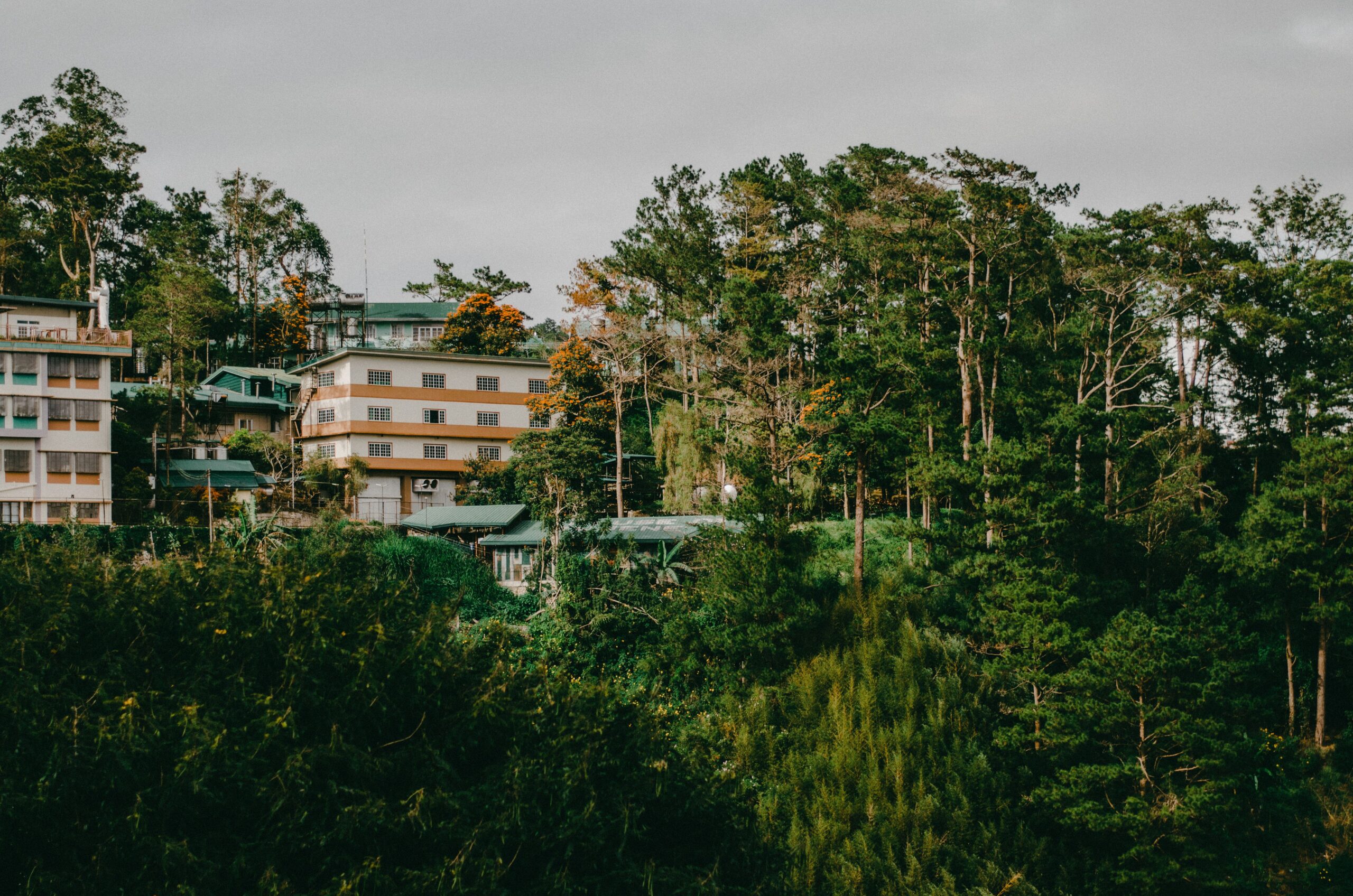
Benguet is beautiful during different seasons, but the weather can completely change your experience.
The generally cooler, drier months from December to February are attractive for mountain sightseeing and hiking. Northern Blossom’s flower displays are particularly associated with January through April, while La Trinidad’s strawberry season generally runs from October to May.
Rainy periods bring greener mountains, but also increase the risk of slippery trails, poor visibility, and landslides.
I’d check PAGASA before departure and continue monitoring local advisories during the trip.
Never treat a beautiful weather forecast for Baguio as a guarantee of identical conditions in higher, more distant parts of Benguet.
For Atok flower viewing, the provincial tourism office recommends early mornings and identifies January to April as a favorable blooming period. Confirm flower conditions before making a special trip.
How You’ll Travel Between Municipalities
Transportation can determine how many attractions you’ll comfortably visit.
Public jeepneys, buses, and vans serve important routes, although some tourist destinations require additional local transfers. A private vehicle offers greater flexibility for roadside viewpoints and scattered attractions.
If you’re commuting to Atok, for example, you can use appropriate northbound services and arrange your onward movement from the highway.
One situation I’d prepare for is reaching a beautiful viewpoint only to realize the next convenient ride isn’t immediately available. It’s the sort of small travel complication that can turn a simple photo stop into an unexpectedly long afternoon.
Confirm return transport arrangements before leaving a main road, especially in rural areas.
The Reality of Mountain Roads
One thing I’d never underestimate in Benguet is the road.
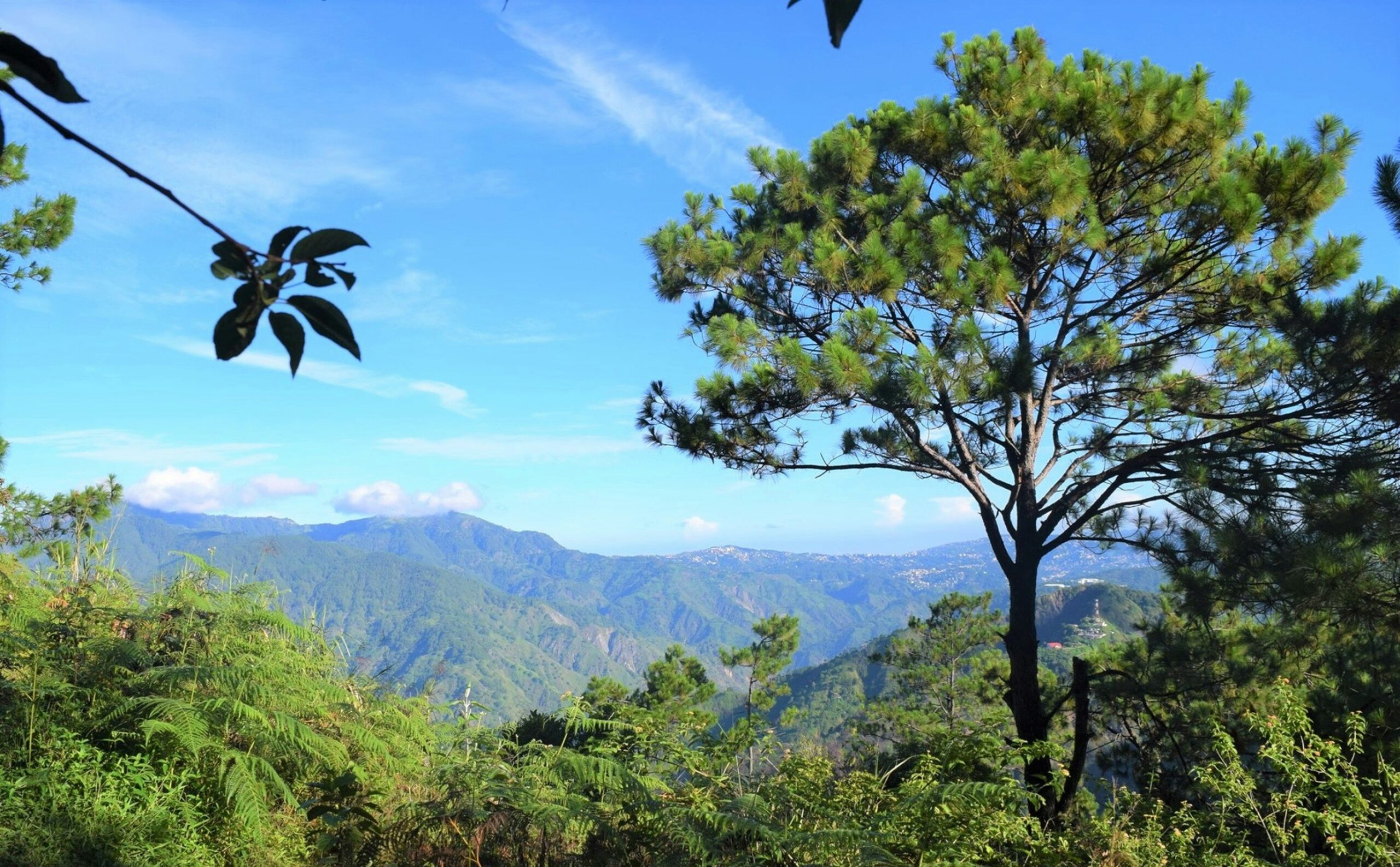
Halsema Highway offers incredible mountain views, but it also has sharp bends, steep sections, agricultural vehicles, and areas affected by fog.
Heavy rainfall can trigger landslides or temporary road restrictions. Even under good conditions, overtaking and negotiating narrow sections require patience.
For private motorists, I’d prioritize a properly maintained vehicle, reliable brakes, sufficient fuel, and a driver comfortable with mountain terrain.
I also prefer traveling during daylight whenever possible. Watching terraced farms emerge from the morning mist is enjoyable. Navigating unfamiliar mountain roads in heavy fog after dark is another matter entirely.
Where You Should Stay Overnight
Your accommodation should match the route, not simply offer the cheapest available room.
Baguio and La Trinidad provide convenient bases for shorter excursions, with broader dining and transportation options. Staying in Atok makes sense if early-morning flower viewing is your priority.
For Mount Pulag, accommodation near the designated registration and ranger-station areas can reduce exhausting predawn travel.
I’d also check whether a property offers reliable hot water, adequate bedding for cold nights, accessible parking, and a realistic route to the attractions.
A mountain-view room sounds wonderful, but it loses some appeal if reaching it requires a difficult road transfer every evening.
How Early You Need to Start
In Benguet, your departure time can influence what you actually see.
Early mornings often provide beautiful light for mountain photography, particularly around Atok. Northern Blossom Flower Farm recommends arriving before 8 AM for favorable viewing conditions.
Later in the day, clouds and fog can obscure distant mountain scenery. That’s not necessarily a bad thing, but it can frustrate travelers hoping for clear panoramas.
I’d schedule important viewpoints first, then leave less weather-sensitive activities for the afternoon.
There is also something satisfying about finishing the difficult driving early and having enough daylight to appreciate your surroundings without rushing toward the next destination.
Your Fitness Level and Hiking Experience
Not every mountain attraction requires a serious hike, but some absolutely deserve preparation.
Mount Ulap is popular for its grassland ridges and panoramic views. Mount Pulag’s Ambangeg Trail is considered its more accessible major route, although the altitude, cold temperatures, and hours of walking remain demanding.
I’d assess fitness honestly, particularly for anyone unfamiliar with prolonged uphill walking or high elevations.
Wear proper trekking footwear, carry drinking water, and prepare suitable cold-weather clothing. For Mount Pulag, follow the required medical screening and orientation procedures.
Don’t let the phrase “beginner-friendly” convince you that preparation is unnecessary. A trail can be accessible to beginners and still require considerable effort.
Permits, Registration, and Local Guides
Some Benguet attractions require more than showing up at the entrance.
Mount Pulag hikers must arrange the applicable registration, orientation, medical documentation, and authorized guiding services. Visitor restrictions and camping arrangements also need advance confirmation.
Atok has organized guided tourism circuits covering attractions such as Northern Blossom, Haight’s Place, and nearby viewpoints.
For caves, protected areas, and culturally sensitive sites, I’d contact the relevant tourism office before arranging a visit.
Never assume a local guide is an unnecessary expense. Besides assisting with navigation and safety, guides can provide valuable cultural and environmental context that visitors would otherwise miss.
For Mount Pulag, confirm current climb slots, required medical certificates, guide arrangements, and permitted camping days directly with the protected-area management office or an accredited organizer before paying for transportation.
Your Budget Beyond Transportation and Hotels
Benguet can accommodate different travel budgets, but attraction charges add up quickly.
The provincial tourism website lists free entrance to La Trinidad Strawberry Farm, although strawberry picking and purchases are separate expenses.
Its published listings also show Northern Blossom at ₱250 per person and Benguet–Kōchi Sisterhood Park at ₱150 per person. Treat these as published reference rates, not guaranteed prices for your travel date.
Budget separately for local guides, transportation, food, accommodation, and incidental purchases.
I’d also set aside emergency money. A last-minute chartered ride or unexpected overnight stay can cost more than the original sightseeing plan.
Where and When You’ll Eat
Food is one of my favorite parts of traveling, and Benguet has plenty to offer beyond strawberries.
La Trinidad’s produce markets reflect the province’s agricultural identity. You can look for freshly harvested vegetables, strawberry-based treats, and hearty meals suited to the cool weather.
I’d also try traditional Cordilleran food when available, while remembering that preparations differ between communities and households.
For longer mountain journeys, eat before leaving major towns and carry snacks. Restaurants and convenience stores become less frequent along some rural routes.
And if you encounter warm strawberry taho on a cold morning, that’s one food stop I’d happily make room for.
Respect for Local Communities and Traditions
Benguet is home to distinct Indigenous communities, including Ibaloi and Kankanaey peoples, whose traditions remain central to the province’s identity.
Some landscapes have cultural and spiritual significance extending far beyond their appeal as tourist attractions.
Mount Pulag, for example, is regarded as sacred by Indigenous communities. Kabayan’s burial heritage also deserves particular sensitivity.
I’d ask permission before photographing people, respect restrictions around burial sites and ceremonies, and avoid treating private farms as public viewing platforms.
Buying directly from local producers, using authorized community guides, and following site rules are practical ways to make tourism more respectful.
The Needs of Everyone Traveling With You
A Benguet itinerary for enthusiastic hikers shouldn’t automatically become the itinerary for everyone else.
Children, older travelers, and people with limited mobility may find long mountain drives, steep paths, uneven farm surfaces, and cold weather challenging.
For mixed groups, I’d favor accessible agricultural attractions, comfortable viewpoints, and shorter excursions over consecutive hiking days.
Check whether destinations have nearby toilets, manageable paths, seating, and vehicle access. Don’t assume that a location described as an easy walk is wheelchair accessible.
It’s also worth discussing motion sickness before a long mountain drive. Benguet’s winding roads can be uncomfortable for passengers who aren’t accustomed to them.
Mobile Signal, Cash, and Essential Supplies
I’d prepare for inconsistent connectivity whenever traveling beyond the province’s main population centers.
Mobile coverage varies with your network and location, particularly around valleys and remote mountain roads.
Download offline maps, save your accommodation details, and keep important contact numbers accessible without internet service.
Carry enough cash for small establishments, local transportation, and guide payments. Don’t assume every destination accepts electronic payments.
My essential packing choices would include a warm outer layer, rain protection, comfortable shoes, drinking water, personal medication, and a power bank.
The sunshine might feel pleasant at midday, but temperatures can fall sharply at higher elevations after sunset.
How Easily You Can Change Your Plans
This might be the most valuable factor of all.
Mountain weather changes, roads become congested, and attractions occasionally restrict access. A carefully prepared itinerary should still leave room for adjustments.
I’d identify one alternative activity for every weather-dependent excursion. If a viewpoint is hidden by clouds, consider visiting a nearby agricultural destination or enjoying a relaxed meal instead.
Unexpected conversations and small detours can also become memorable parts of a journey. There’s no need to rush away from an interesting local recommendation simply because your schedule says otherwise.
The goal is to prepare enough that changing one activity doesn’t disrupt the entire trip.
Sample Benguet Itineraries Based on Your Available Time
Once you’ve weighed these factors, I’d organize the trip around geographically sensible routes.
These suggested durations are planning estimates, not fixed tour schedules.
| Trip duration | Suggested route and activities | Best for |
|---|---|---|
| 2 days | La Trinidad Strawberry Farm, nearby sights, and a relaxed Atok excursion | Short highland escape |
| 3–4 days | La Trinidad, Tublay, Northern Blossom, Haight’s Place, and selected Atok viewpoints | First-time visitors |
| 5 days | La Trinidad and Atok, with separate days for Bokod or an organized hiking excursion | Nature and adventure |
| 6–7 days | La Trinidad, Atok, Bokod, Kabayan, and a properly arranged Mount Pulag trek | Extended exploration |
How I’d Spend Four Days in Benguet
Day 1: Arrive through Baguio, settle into your accommodation, and explore La Trinidad Strawberry Farm. Keep the afternoon relaxed after the journey.
Day 2: Leave early for Atok. Visit Northern Blossom Flower Farm, then continue to nearby cultural and scenic attractions such as Haight’s Place and Benguet–Kōchi Sisterhood Park, depending on access and operating arrangements.
Day 3: Choose a manageable nature excursion around Tublay or another nearby municipality. Leave enough time for local guiding arrangements and return transportation.
Day 4: Enjoy breakfast, buy local produce or souvenirs, and travel home without squeezing a distant attraction into your departure schedule.
If Mount Pulag is your main objective, rebuild the itinerary around the climb rather than adding it casually to this four-day route. Registration, travel, altitude, and recovery deserve their own schedule.
Transportation Times and Expenses Worth Checking
Here are several useful planning references from the Benguet provincial tourism website. Actual journeys depend on your starting point, traffic, road conditions, and mode of transportation.
| Destination | Travel or access reference | Published fee |
|---|---|---|
| La Trinidad Strawberry Farm | Approximately 10–15 minutes from the provincial capitol area | Free entrance |
| Northern Blossom, Atok | Approximately 1.5–2 hours by private vehicle from the provincial capitol | ₱250/person |
| Benguet–Kōchi Sisterhood Park | Approximately 1–2 hours from La Trinidad, depending on conditions | ₱150/person |
| Mount Pulag | Dedicated mountain transfer, registration, and several hours of trekking | Multiple DENR, LGU, and guide charges |
For the latest attraction rates, tour arrangements, and local guidance, consult the Benguet Provincial Tourism Office. Verify the complete price of any organized package before making a reservation.
Common Mistakes I’d Avoid When Planning a Benguet Trip
The first mistake is treating Benguet like a compact sightseeing destination. Mountain geography means that even nearby-looking attractions may require substantial driving.
Another is assuming every famous attraction will be equally impressive throughout the year. Flower blooms, strawberry availability, mountain visibility, and trail conditions change with the seasons.
I’d also avoid relying entirely on online maps for remote routes, booking outdoor activities without checking current restrictions, or traveling unfamiliar roads late at night.
Finally, don’t underestimate the human side of the journey. Local farms are working landscapes, sacred places deserve respect, and guides contribute important knowledge to the experience.
A little patience goes a long way in Benguet.
Frequently Asked Questions About Planning a Benguet Itinerary
How many days are enough to explore Benguet?
Three to four days work well for a first-time itinerary focused on La Trinidad, Atok, and nearby destinations. Allow five to seven days if you want to include Mount Pulag, Kabayan, or more distant areas without rushing.
Can I explore Benguet without a private car?
Yes. Public buses, vans, and jeepneys serve important routes. However, some attractions require additional local transportation or advance arrangements. A hired vehicle is useful when visiting several destinations in one day.
Is Benguet suitable for first-time mountain travelers?
Absolutely. You can enjoy strawberry farms, flower gardens, agricultural landscapes, and accessible viewpoints without attempting demanding hikes. Choose destinations suited to your experience and physical abilities.
Is Baguio City part of Benguet province?
Baguio is geographically surrounded by Benguet but is administratively an independent highly urbanized city. It serves as a convenient transportation and accommodation gateway for visitors exploring the province.
Can I visit Atok and Mount Pulag on the same day?
I wouldn’t recommend it. The destinations involve different road corridors, and Mount Pulag requires dedicated travel, registration, and hiking arrangements. Schedule them on separate days.
What should I pack for a Benguet itinerary?
Bring layered clothing, rain protection, comfortable footwear, personal medication, drinking water, cash, and a power bank. Add appropriate hiking equipment and cold-weather gear if visiting high-altitude destinations.
When is the best time to visit Benguet?
December through February are generally attractive for cooler and drier mountain travel. January through April is a favorable period for Northern Blossom’s flower displays, while strawberry harvesting around La Trinidad generally peaks within the broader October-to-May season. Always check current weather and attraction conditions.
What Really Makes a Benguet Itinerary Worthwhile?
For me, the answer isn’t the number of attractions you’ve managed to visit.
It’s having enough time to appreciate the mountains, understand the communities, enjoy the local food, and experience the little details that make Benguet different from anywhere else in the Philippines.
Visit the strawberry farms if agriculture interests you. Head toward Atok for flowers and spectacular landscapes. Arrange a proper Mount Pulag expedition if hiking is what excites you most.
Just remember that mountain travel has its own rhythm. Sometimes the best decision is to spend another hour enjoying a viewpoint instead of racing toward the next destination.
Sources and Further Reading
Destination information, seasonal recommendations, and published attraction fees were checked against Philippine government and official tourism resources. Travel times and itinerary durations are planning references. Verify current road conditions, fees, operating schedules, and access requirements before traveling.
- Benguet Provincial Tourism Office: Official Tourism Information
- Benguet Tourism: La Trinidad Strawberry Farm
- Benguet Tourism: Northern Blossom Flower Farm
- Benguet Tourism: Benguet–Kōchi Sisterhood Park
- Benguet Tourism: Mount Pulag Access and Fees
- Benguet Tourism: Four Lakes of Kabayan
- Department of Tourism: Benguet Destination Guide
- PAGASA: Climate and Seasonal Weather Information
- Benguet Provincial Tourism Office: Official Contact Information
For more Philippine travel planning resources, destination-specific articles, and practical local guides, visit Every Province PH.