
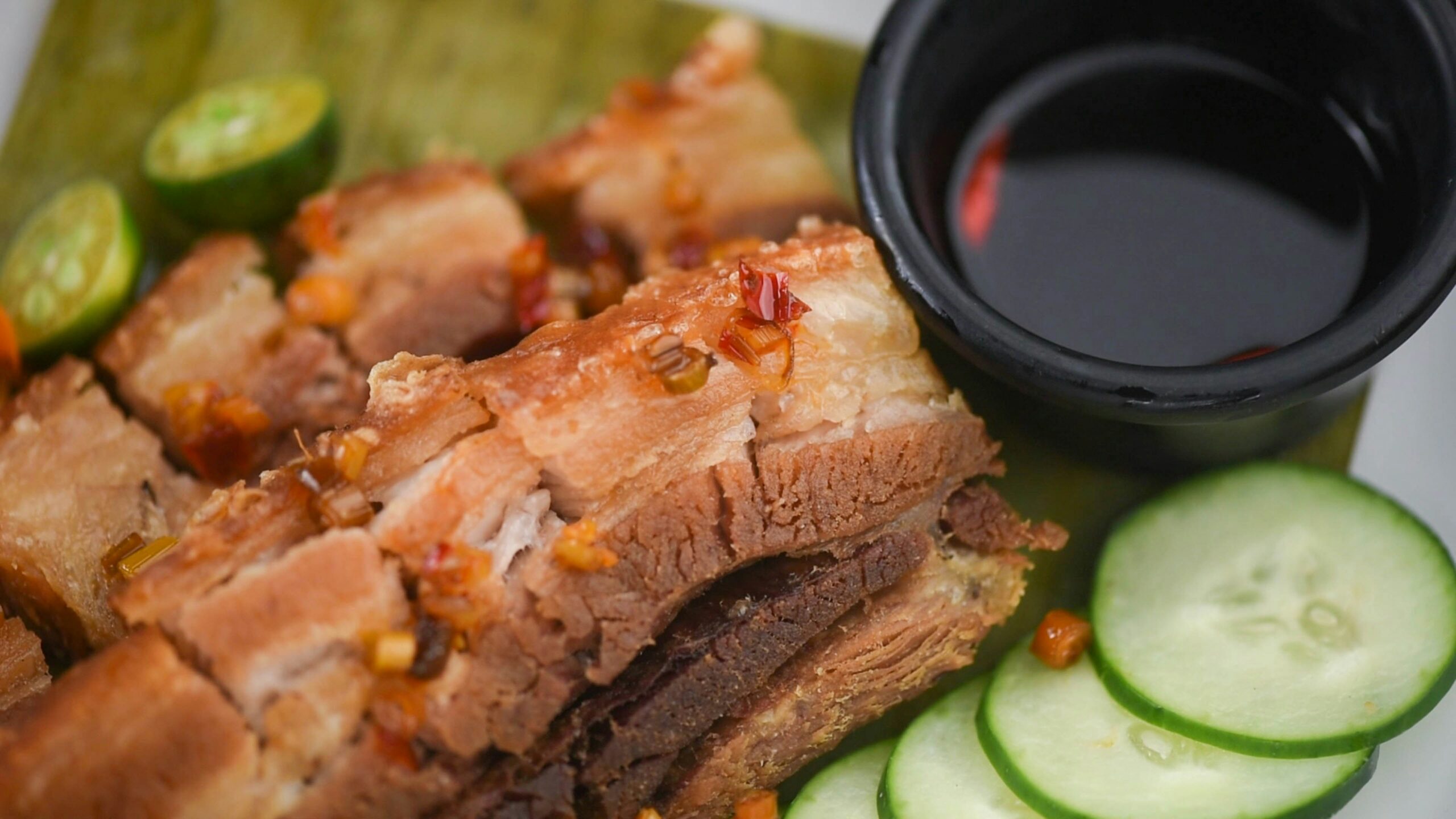
15 Food Experiences to Add to Your Cebu Itinerary
Cebu’s essential food experiences include crispy lechon, smoky barbecue with puso, ngohiong, tuslob buwa, pungko-pungko, siomai sa Tisa, sutukil seafood, and regional delicacies from Argao, Liloan, and Catmon. For specific stops, start with House of Lechon, Matias BBQ, Chinese Ngohiong, Pungko-Pungko sa Fuente, Parr’t Ebelle, Chitang’s Torta, and Titay’s. Choose a few city favorites, then add traditional specialties along your actual travel route.
On This Page
Cebu has a way of making you hungry even when you’ve just eaten. Walk past a barbecue stall and the smell of charcoal and sizzling pork follows you down the street. Stop beside a lechon counter and there’s that unmistakable crackle of roasted skin being chopped. Head into the smaller towns and suddenly you’re choosing between freshly baked pastries, local chocolate, and delicacies wrapped in banana leaves.
What I enjoy about Cebu’s food culture is how closely it connects to everyday life. Some of the best things to eat aren’t served in fancy restaurants. They’re found beside busy roads, inside crowded markets, at neighborhood counters, and in family bakeries that have been making the same specialties for decades. The atmosphere is part of the experience, from the sound of dumpling steamers to the sharp smell of vinegar beside a tray of fried food.
I’ve put together 15 Cebu food experiences that deserve a place on your itinerary, including specific establishments worth visiting. This isn’t a race to eat everything. I’d rather enjoy a few memorable meals properly than spend the entire trip moving between restaurants. Here’s what to order, what makes each dish special, and where I’d send someone who wants to discover Cebu through its food.
15 Cebu Food Experiences at a Glance
Use this as a starting point before planning your food stops. Cebu’s specialties are spread across different neighborhoods and towns, so matching them to your route makes the experience much more enjoyable.
| Food experience | Where to try it | Best occasion |
|---|---|---|
| 1. Cebu lechon | House of Lechon, Rico’s Lechon, Carcar | Lunch |
| 2. Barbecue and puso | Matias BBQ, Mandaue; Larsian area | Dinner |
| 3. Ngohiong | Chinese Ngohiong, Junquera Street | Afternoon snack |
| 4. Tuslob buwa | Jan’s Tuslob Buwa, Pusô Village | Shared snack |
| 5. Pungko-pungko | Pungko-Pungko sa Fuente | Budget lunch |
| 6. Siomai sa Tisa | Tisa, Labangon | Evening snack |
| 7. Sutukil seafood | Parr’t Ebelle, Cebu City; Mactan | Group lunch |
| 8. Kinilaw | Parr’t Ebelle and seafood restaurants | Lunch |
| 9. Larang | Traditional fish eateries | Comforting meal |
| 10. Balbacua | Carinderias and stew specialists | Hearty meal |
| 11. Danggit breakfast | Local silog eateries; Taboan for shopping | Morning |
| 12. Torta and sikwate | Chitang’s and OJ’s Torta, Argao | Morning or afternoon |
| 13. Rosquillos | Titay’s, Liloan | Snack or pasalubong |
| 14. Budbod kabog | Traditional Catmon sellers | Morning snack |
| 15. Food-market crawl | Carbon Market, Pusô Village, Sugbo Mercado | Morning or evening |
Start With Cebu’s Famous Lechon
Few Cebu food experiences are as satisfying as a good serving of lechon. The first thing that gets my attention is the skin, thin and crisp enough to crack between your teeth. Underneath is tender meat carrying the fragrance of lemongrass, garlic, and other aromatics used in the roasting process.
What makes Cebu lechon special is how much flavor is already in the meat. I prefer eating the first few bites without adding anything, then bringing in rice or a little vinegar for contrast. A generous plate is wonderful, but a smaller serving makes more sense if you’re planning several food stops.
Where to try it: House of Lechon on Acacia Street in Cebu City and Rico’s Lechon are accessible restaurant choices. For a traditional market-style experience, look for lechon sellers in Carcar or visit the Talisay Litson Food Park.
Order a mixture of skin and meat, and ask when the pig was roasted. If buying by weight, confirm the price before choosing your portion.
Eat Barbecue With Puso, Cebu’s Hanging Rice
The smell reaches you before the food does. Pork skewers hiss over glowing charcoal, smoke curls above the grill, and someone is busy brushing sauce over the meat. This is the kind of Cebu dinner I love because it doesn’t need elaborate preparation or presentation.
Pair the barbecue with puso, rice cooked inside woven coconut leaves. Tear open the wrapping, take a bite of smoky meat, then add a little spiced vinegar. The combination is salty, tangy, and deeply satisfying. I would happily make a full evening meal out of it.
Where to try it: Matias BBQ along A. S. Fortuna Street in Mandaue is a longstanding name. The Larsian area near Fuente Osmeña is another familiar destination for Cebuano-style grilled food.
Choose your skewers carefully and ask about individual prices. Puso, drinks, and other extras may be charged separately.
Try Ngohiong With Its Signature Spicy Dip
Ngohiong is one of those snacks that deserves more attention outside Cebu. At first glance, it resembles an ordinary spring roll. Take a bite and the difference becomes obvious. The wrapper gives way with a crisp crunch, revealing a fragrant filling of vegetables and spices.
The sauce completes the experience. It can be sweet, tangy, and surprisingly spicy, clinging to the fried wrapper rather than sliding straight off. I prefer ngohiong fresh from the fryer, while the exterior still has that satisfying crunch.
Where to try it: Chinese Ngohiong Specialty Store on Junquera Street is a familiar local stop. The Colon and Manalili areas also have vendors selling ngohiong and other fried snacks.
Buy a small portion first and taste the sauce before adding more. Ask about the filling if you avoid meat or seafood.
Discover the Unusual Ritual of Tuslob Buwa
Tuslob buwa is one of Cebu’s most distinctive communal food experiences. The name refers to dipping into bubbles, which describes the action perfectly. A dark, savory mixture simmers in a pan while pieces of puso are dipped into the bubbling sauce.
Traditional recipes use pork brain, liver, and aromatics. The resulting sauce is rich, intensely savory, and unlike the usual Filipino dipping condiments. What makes the experience memorable is the ritual of sharing the pan and watching the sauce cook.
Where to try it: Jan’s Tuslob Buwa at Pusô Village in the Carbon district is a recognizable option. Pasil and nearby neighborhoods are historically associated with the dish.
Traditional tuslob buwa contains offal. Confirm the ingredients and make sure the mixture is thoroughly cooked before eating.
Have a Proper Pungko-Pungko Meal
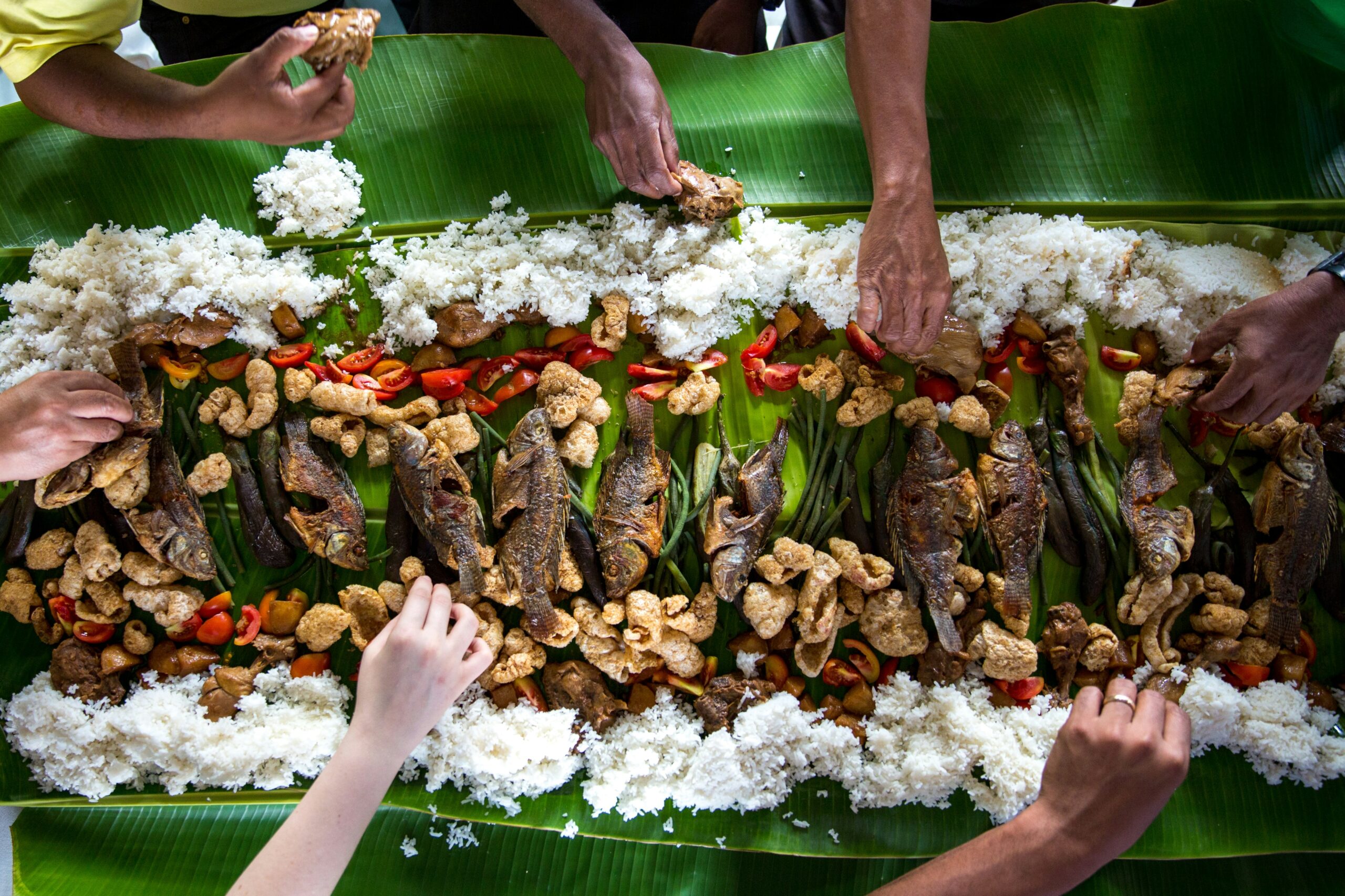
There’s a particular pleasure in choosing food directly from a tray instead of studying a menu. That is the appeal of pungko-pungko. You sit on a low stool, pick your fried favorites, and eat with puso and vinegar.
Ginabot, crispy fried pork intestine, is among the signature choices. The exterior has a deep crunch, followed by a rich, chewy interior. The sharp vinegar cuts through the oiliness. I like how this meal feels completely unpretentious. It’s built around appetite, conversation, and familiar comfort food.
Where to try it: Pungko-Pungko sa Fuente on J. Llorente Street, near Fuente Osmeña, is one of Cebu City’s most recognizable pungko-pungko destinations.
Ask how much each fried item costs before taking it. Choose food that’s freshly cooked and wash or sanitize your hands before eating.
Make Room for Siomai sa Tisa
Siomai is familiar throughout the Philippines, but Tisa has turned it into a neighborhood food identity. The dumplings arrive warm from the steamer, with soft wrappers surrounding a seasoned filling. Then comes the real decision: how much chili-garlic sauce to add.
I like the contrast between the tender dumplings, sharp calamansi, salty soy sauce, and fiery chili oil. It’s affordable comfort food that doesn’t need an elaborate setting. A serving with puso makes an excellent evening snack.
Where to try it: Explore the siomai stalls along Katipunan Street in Tisa. Kuya Jeff’s Siomayan and Way Tugpahay Siomai sa Tisa are recognizable local names.
Start with a little chili sauce. Some versions are much hotter than their appearance suggests.
Choose Fresh Seafood and Have It Cooked Sutukil-Style
Sutukil is a brilliant way to explore Cebu’s seafood culture because it puts three cooking methods side by side. Sugba means grilling, tuwa or tula refers to cooking in broth, and kilaw uses acidic ingredients to prepare seafood.
Picture grilled fish with smoky skin, a steaming bowl of flavorful fish soup, and sharp kinilaw served alongside rice. I particularly enjoy the contrast between the hot broth and the brighter, acidic seafood preparations. This is a meal best shared so everyone can sample several dishes.
Where to try it: Parr’t Ebelle Tinola on J. De Veyra Street, near SM City Cebu, is a well-known place for this cooking tradition. Mactan also has seafood establishments offering sutukil-style meals.
At restaurants where seafood is sold by weight, confirm the price, cooking fee, and total order before preparation begins.
Taste Kinilaw, the Filipino Way of Preparing Fresh Seafood
Kinilaw has a completely different personality from grilled seafood. Instead of smoke and char, the flavors are bright and sharp. Vinegar or citrus meets ginger, onions, and chili, creating a refreshing contrast to heavier dishes.
The fish is cool and tender, while the aromatics add heat and fragrance. For me, kinilaw works especially well alongside grilled fish or a rich soup, where its acidity cuts through the stronger flavors. It’s best approached as a small shared dish rather than an enormous order.
Where to try it: Parr’t Ebelle is one option for a traditional seafood spread. Established coastal seafood restaurants also commonly prepare their own versions.
Kinilaw contains raw or minimally processed seafood. Vinegar and citrus do not reliably eliminate foodborne pathogens, so higher-risk travelers should choose cooked seafood.
Order a Bowl of Larang After a Busy Day
After several meals built around crispy or grilled food, larang is a welcome change. This fish dish features a fragrant broth with ingredients such as ginger, tomatoes, onions, and souring agents.
The first spoonful brings warmth and tanginess, followed by the savory flavor of fish and aromatics. It’s the kind of meal I appreciate after a long day on the road, especially with rice to absorb the broth. A steaming bowl feels far more satisfying than another hurried snack.
Where to try it: Look for local fish-specialty eateries and traditional carinderias around Cebu City and coastal communities. Ask for larang na isda and check which fish is being prepared that day.
Whole-fish preparations can contain small bones. Ask about the fish variety and how sour the broth is before ordering.
Try Balbacua for a Rich, Slow-Cooked Meal
Balbacua is not a light meal, and that’s exactly its appeal. Made with collagen-rich beef parts simmered for hours, it develops a rich broth and tender, gelatinous texture that distinguishes it from an ordinary beef stew.
The aroma is deep and savory, and the broth coats the rice beautifully. I wouldn’t schedule balbacua immediately after lechon. Give yourself room to enjoy it properly, preferably when you’re ready for a substantial lunch or dinner.
Where to try it: Search for traditional balbacuahan and carinderias specializing in slow-cooked stews. These establishments often focus on a limited daily menu rather than maintaining the same selections all day.
Ask which cuts are included and whether smaller portions are available. Some eateries sell out of slow-cooked specialties early.
Enjoy a Cebuano Breakfast With Danggit
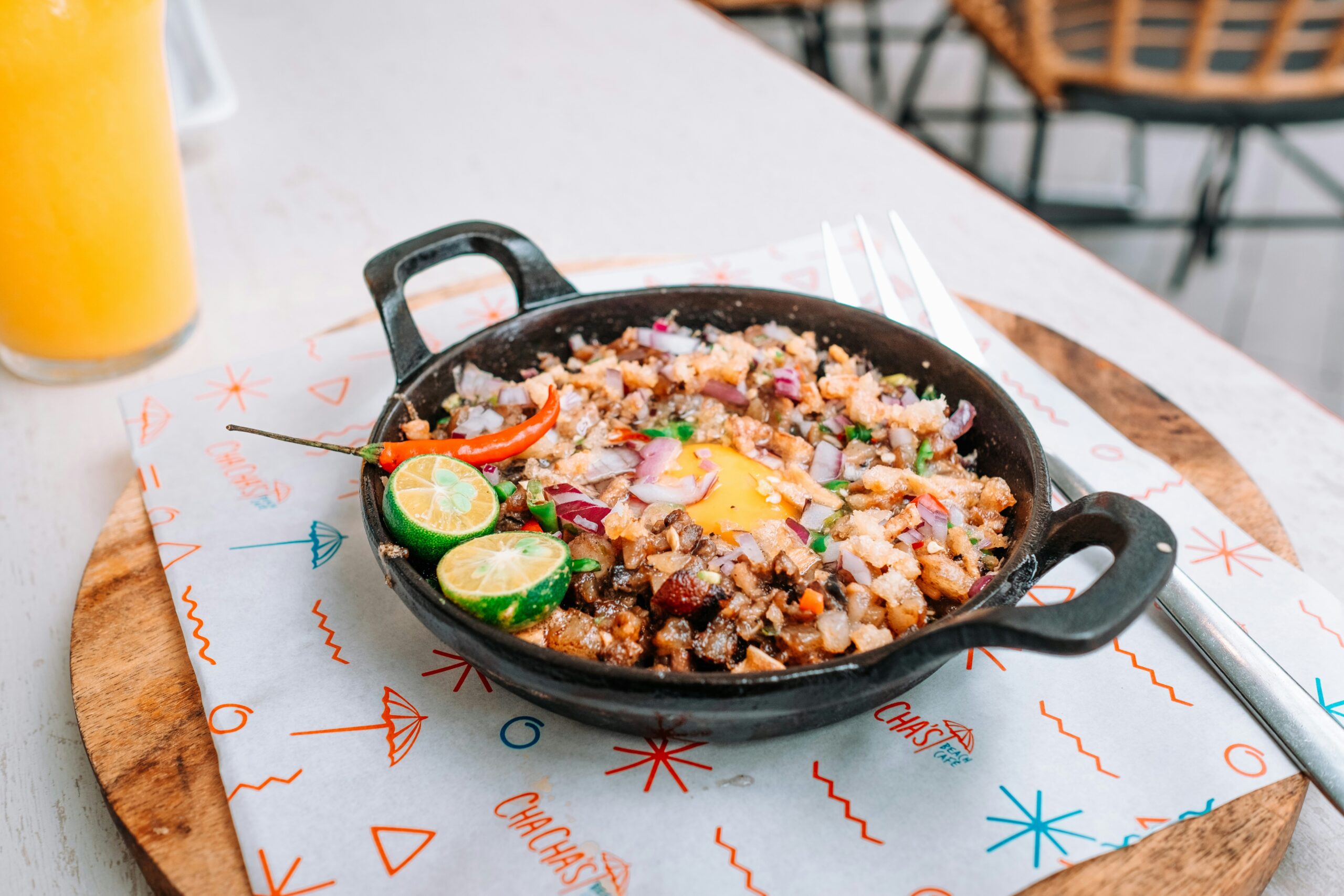
Danggit is one of my favorite kinds of Filipino breakfast to recommend because it gets straight to the point. Crisp, salty dried fish arrives with garlic rice, egg, and vinegar. There’s no complicated presentation, just a combination of textures and flavors that works.
The fish crunches at the edges, the rice softens the saltiness, and the vinegar adds a welcome sharpness. The aroma is strong, especially while the fish is frying, but that’s part of its familiar breakfast character.
Where to try it: Order danggitsilog at a local breakfast eatery. For dried seafood to bring home, visit Taboan Public Market, where vendors sell danggit, dried squid, and other preserved seafood.
Have dried seafood sealed before packing it. Check airline baggage requirements and food-import rules if you’re flying internationally.
Pair Argao Torta With a Cup of Sikwate
Argao torta deserves to be enjoyed slowly, not treated as something you grab only because you need pasalubong. The cake has a rich, tender crumb and a distinctive flavor shaped by traditional recipes and baking methods. Some bakers use tuba, fermented coconut sap, as part of the preparation.
What makes the pairing memorable is the sikwate. Hot chocolate prepared from tablea has a deep cacao fragrance and gentle bitterness that balances the sweetness of the cake. I love the contrast of soft torta and a warm, earthy drink. It’s the sort of simple food stop that gives a town its own identity in your memory.
Where to try it: Chitang’s Torta Bakery and OJ’s Torta Bakery on Abear Street in Argao are established choices. Traditional torta maker Jessie Magallones in Barangay Canbanua is another name associated with Argao’s baking heritage.
Ask when the torta was baked and whether it can be served warm. If you’re hoping to pair it with sikwate, confirm that the drink is available before ordering.
Discover the Rosquillos Tradition in Liloan
Rosquillos don’t try to impress with extravagant ingredients. They’re small, ring-shaped cookies with a delicate crunch and gentle sweetness. A few pieces alongside coffee or hot chocolate make a perfectly satisfying afternoon snack.
I appreciate food traditions like this because the story matters as much as the taste. Rosquillos have become closely connected with Liloan, and bringing home a box means carrying a small piece of the town’s baking heritage.
Where to try it: Titay’s is the name most closely associated with Liloan rosquillos. Its bakery and pasalubong outlets along the northern route are convenient stops when traveling through the town.
Check expiration dates and pack the cookies where they won’t be crushed. They’re easy to share, which makes them practical gifts.
Seek Out Catmon’s Budbod Kabog
Budbod kabog is one of Cebu’s more fascinating traditional delicacies. Instead of relying on the usual glutinous rice, it uses kabog millet. The grains are prepared with ingredients such as coconut milk and sugar, then wrapped in banana leaves and steamed.
The result is gently sweet, soft, and slightly grainy, with a nutty character that makes it different from conventional suman. Peeling back the banana-leaf wrapping adds to the experience. I particularly like how this food introduces travelers to an ingredient they may never have encountered before.
Where to try it: Look for traditional budbod sellers around Catmon’s town center and established roadside delicacy stops. The town celebrates this specialty through the Budbod Kabog Festival.
For a dedicated budbod kabog trip, contact Catmon’s tourism office about current sellers. Eat freshly prepared budbod promptly, particularly in hot weather.
Finish With a Cebu Food-Market Crawl
Food markets are where I would leave the itinerary a little open. The experience begins with the atmosphere: vendors calling out orders, metal utensils tapping against pans, steam rising from freshly cooked food, and the constant movement of people deciding what to buy.
Carbon offers the energy of a working public market, while prepared-food destinations provide an easier way to sample several dishes in one visit. I prefer choosing two or three interesting things and sharing them rather than buying everything that catches my attention.
Where to try it: Explore Carbon Public Market and nearby eateries for everyday market culture. Pusô Village offers a food-focused setting in the Carbon district. Around Cebu IT Park, Sugbo Mercado is a familiar destination for prepared meals and snacks.
Bring smaller peso notes, drinking water, and closed footwear for wet-market areas. Check current market schedules before visiting.
How I’d Fit These Food Experiences Into a Cebu Itinerary
Fifteen food experiences sound exciting, but trying to finish them all in one or two days would turn the trip into an exhausting series of restaurant transfers. I’d rather organize them around the places I’m already exploring.
For a Cebu City weekend, lechon, ngohiong, pungko-pungko, and a casual evening meal can easily form the foundation. Add seafood if you’re traveling with friends or family. If you’re heading north or south, use the regional delicacies as natural stops along the way.
| Itinerary area | Suggested food stops | Planning advice |
|---|---|---|
| Cebu City | House of Lechon, Chinese Ngohiong, Pungko-Pungko sa Fuente, Jan’s Tuslob Buwa | Split between two days or several meals |
| Mandaue and Tisa | Matias BBQ and Tisa’s siomai stalls | Combine with nearby activities |
| Seafood-focused day | Parr’t Ebelle or established Mactan sutukil restaurants | Best for a shared lunch |
| Southern Cebu | Chitang’s or OJ’s Torta, Carcar lechon | Choose the eastern coastal route when appropriate |
| Northern Cebu | Titay’s in Liloan and budbod kabog in Catmon | Check specialty availability before traveling |
Remember that Argao lies along the eastern coastal highway, while many popular destinations around Moalboal and Badian sit on the western side. Connecting them can require a substantial detour. Plan around actual road routes rather than how close the towns appear on a map.
For a longer southern journey, use the South Cebu Adventure planner to organize your wider itinerary.
What Should You Budget for Food in Cebu?
Food spending depends on the kind of experience you want. A neighborhood snack stall and a seafood restaurant operate on very different budgets. I recommend keeping a flexible allowance so you can enjoy both inexpensive local food and an occasional larger meal.
| Eating style | Suggested daily food allowance |
|---|---|
| Mostly street food and carinderias | ₱300–₱500 |
| Mix of local eateries and casual restaurants | ₱500–₱900 |
| Restaurant-heavy dining with seafood | ₱900–₱1,800+ |
These are planning estimates, not verified November 2026 menu quotations. Seafood sold by weight, larger lechon orders, drinks, transport, and service charges can increase your total. For the best balance, I’d mix smaller snacks with one proper sit-down meal each day.
Things Worth Knowing Before Your Cebu Food Trip
Even with specific establishments in mind, keep your itinerary flexible. Popular restaurants can get busy, while small bakeries and traditional food stalls sometimes sell out. Check current operating details before making a long detour just for one meal.
Pay attention to food handling, particularly in Cebu’s warm climate. Choose freshly cooked dishes, clean utensils, and safe drinking water. If you have allergies or dietary restrictions, ask about the ingredients rather than judging by the appearance of the food.
A little Cebuano also helps. “Unsa ni?” means “What is this?” and “Pila ni?” means “How much is this?” Those two questions can make ordering at markets and neighborhood eateries much easier.
What I’d recommend: Choose one established Cebu food institution, one everyday neighborhood eatery, and one traditional specialty from a town along your route. You’ll experience more of Cebu’s food culture than by eating every meal in the same restaurant district.
Frequently Asked Questions About Cebu Food
Where can I try authentic Cebu lechon?
House of Lechon and Rico’s Lechon are accessible restaurant choices. For market-style lechon, explore sellers in Carcar and Talisay. Ask about roasting times and prices before ordering.
Where should I go for Cebu street food?
Start with Pungko-Pungko sa Fuente, Chinese Ngohiong on Junquera Street, siomai stalls in Tisa, and Pusô Village in the Carbon district.
Which Cebu foods are best for pasalubong?
Rosquillos from Liloan, torta from Argao, otap, dried mangoes, and carefully packaged dried seafood are popular choices. Check storage requirements and expiration dates.
Is Cebu street food safe for international travelers?
Many travelers enjoy Cebu street food safely. Choose freshly cooked dishes, clean utensils, and safe drinking water. Raw seafood and food left unrefrigerated require extra caution.
Do I need to leave Cebu City to experience the local food?
No. Cebu City and nearby Mandaue offer enough variety for an excellent food itinerary. Visit Argao, Liloan, and Catmon when their specialties fit your broader travel route.
Should I make restaurant reservations?
Street-food stalls generally operate on a walk-in basis. For larger groups or popular sit-down seafood restaurants, contacting the establishment beforehand is a sensible idea.
The Cebu Food Memories Worth Bringing Home
What makes Cebu’s food culture memorable isn’t just the number of dishes you can try. It’s the contrast between them. The brittle crunch of lechon skin, the smoky warmth of barbecue, the sharpness of vinegar, the comfort of a steaming fish broth, and the gentle sweetness of a traditional town delicacy all tell different stories about the province.
I’d begin with the food Cebu is famous for, then make time for the smaller discoveries. Sit down for a proper meal, visit a local bakery, try something unfamiliar, and pay attention to the places and people behind what you’re eating.
Sources and Further Reading
These references support the culinary traditions, food preparations, and establishments discussed in this article. Confirm restaurant operations and menu availability directly before visiting.