
Batanes Province, Philippines
Discover the stories behind the Philippines’ northernmost province, from its ancient settlements and Ivatan traditions to its landscape, people, and present-day communities.
How Well Do You Know Batanes?
Before we get into the history and culture of Batanes, see how much you already know about this beautiful province. There are just 10 quick questions, and you can take the quiz again after reading.
7 multiple-choice · 3 true or false · No time limit
On This Page
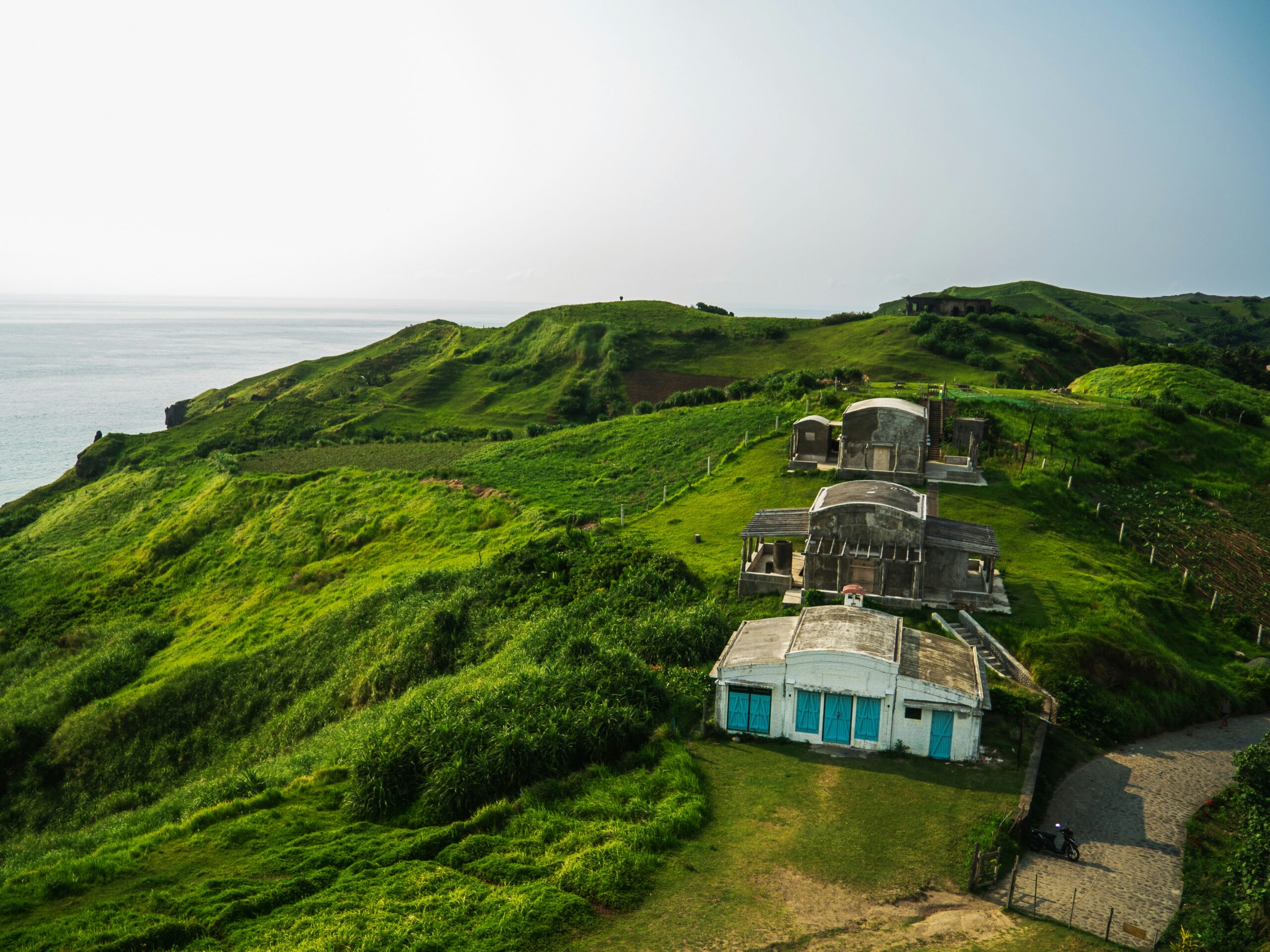
Imagine standing on a green hill, watching enormous waves crash against the cliffs below. The wind is so strong that you instinctively hold on to your hat. Behind you are houses made of stone, and somewhere beyond the sea lies another country.
Welcome to Batanes, the northernmost province of the Philippines.
You have probably seen photographs of its rolling hills, grazing animals, and spectacular coastlines. These are some of the reasons people find Batanes beautiful. But there is much more to these islands than their scenery.
Batanes has stories about people who learned to build houses against powerful winds, farmers who protected their crops with living fences, and communities whose history began long before the Philippines became an independent country.
To understand this province, we’ll look at more than its famous landmarks. We’ll discover how geography influences everyday life, what archaeologists have learned about its early settlements, and why Ivatan traditions are important to Philippine heritage.
Think of this as a journey through a living history book. Our first stop is the map.
Batanes Province at a Glance
Before studying the history of a place, it helps to know where it belongs. Batanes is part of Cagayan Valley, also called Region II, even though it is separated from mainland Luzon by the sea.
Its capital is Basco, located on Batan Island. A provincial capital is the administrative center where important provincial government offices are located.
Sources: Philippine Statistics Authority, Philippine Standard Geographic Code, 2024 Census of Population, and BFAR Region II.
Batanes is the smallest Philippine province by land area and the least populous based on the 2024 census. But small does not mean unimportant. The province preserves valuable cultural knowledge and remarkable examples of how people adapt to their environment.
Where Exactly Is Batanes?
Take a map of the Philippines and move your finger toward the very top of Luzon. Keep going north, past the mainland, and you’ll find a group of islands between the Philippines and Taiwan.
Those islands form Batanes.
The province is located within the Luzon Strait. The Bashi Channel lies to its north, while the Balintang Channel lies farther south. These waters are important because they influence navigation, fishing, and travel between islands.
Why Does Batanes Have Such Dramatic Scenery?
Some areas have wide grassy hills. Others have steep cliffs, volcanic formations, agricultural fields, or rocky shorelines.
The landscape did not appear overnight. Geological forces have shaped these islands over very long periods. Movement within the Earth’s crust, volcanic activity, and the constant work of waves and weather have all contributed to the terrain.
On Batan Island stands Mount Iraya, a volcano near Basco. On Itbayat, the land is different, with uplifted limestone terrain and high coastal cliffs.
Why Is the Weather So Important?
Batanes is exposed to strong seasonal winds, heavy rainfall, rough seas, and tropical cyclones. But not every windy day means that a typhoon is approaching.
Imagine that your family depends on fishing. Before leaving the shore, you would need to consider the wind, waves, and weather forecast. If you were waiting for supplies from another island, rough seas could affect their arrival.
This is why geography matters. It influences not just what a place looks like, but how its people live.
If your community regularly experienced powerful winds, how would you build a house? Would you choose thin walls or thick ones? Questions like these help explain why traditional Ivatan architecture developed the way it did.
Meet the Islands of Batanes
Batanes is commonly described as an island group consisting of ten islands. Yet people do not live permanently on every one.
The three main inhabited islands are Batan, Sabtang, and Itbayat. Each has its own geography, communities, and history.
The main administrative island, containing Basco, Mahatao, Ivana, and Uyugan. It is home to farms, government offices, churches, and many familiar landmarks.
Known for traditional Ivatan villages, stone houses, agricultural settlements, and coastal landscapes.
Located farther north, with limestone cliffs, caves, archaeological sites, and a distinctive physical landscape.
Smaller uninhabited islands contribute to the province’s geography and may have ecological, historical, or navigational importance.
Why Aren’t All the Islands Inhabited?
An island needs more than land to support a permanent community. People also need access to water, food, shelter, transportation, and places where houses can safely stand.
Smaller or more exposed islands can make these requirements difficult to meet. Some have limited suitable terrain or face challenging sea conditions.
However, an uninhabited island is not necessarily unimportant. It may provide habitats for wildlife or hold value for fishing, navigation, and conservation.
How Many People Live in Batanes?
If you gathered every resident of Batanes into one enormous gathering, how many people would you expect to see?
According to the Philippine Statistics Authority, the province recorded 18,937 residents as of July 1, 2024. This made Batanes the least populous province in the Philippines.
We learn these figures through a census, an official count of the population. Governments use census information to help plan schools, healthcare, transportation, and other public services.
| Census Year | Population |
|---|---|
| 2015 | 17,246 |
| 2020 | 18,831 |
| 2024 | 18,937 |
What Do These Numbers Tell Us?
Between 2020 and 2024, the recorded population grew by just 106 people. That does not mean only 106 babies were born during those years.
Population changes are influenced by births, deaths, and people moving into or out of a place.
And in a province consisting of separated islands, a relatively small population can still present considerable challenges. Communities need education, healthcare, transport, and reliable public services regardless of their size.
Two towns with the same population may have very different needs. A town connected to a major highway has different transportation challenges from an island community that depends on boats or aircraft for supplies.
The Six Municipalities of Batanes
Batanes has no cities. Instead, the province is divided into six municipalities, which are further divided into 29 barangays.
Four municipalities are on Batan Island: Basco, Mahatao, Ivana, and Uyugan. Sabtang and Itbayat are separate island municipalities.
You can search the table below to find a municipality and see its population according to the 2024 census.
| Municipality | Island | Population (2024) |
|---|---|---|
| Basco | Batan | 9,647 |
| Itbayat | Itbayat | 2,937 |
| Ivana | Batan | 1,368 |
| Mahatao | Batan | 1,745 |
| Sabtang | Sabtang | 1,774 |
| Uyugan | Batan | 1,466 |
Six municipalities listed.
What Makes Each Municipality Different?
Basco is the provincial capital and the location of Basco Airport, making it an important center for government, transportation, and commerce.
Mahatao is associated with agricultural landscapes and fishing communities. Ivana contains heritage structures and a port connection toward Sabtang. Uyugan has coastal landscapes and farming settlements.
Sabtang is recognized for traditional Ivatan stone-house villages, while Itbayat is especially interesting for its limestone geography and archaeological heritage.
All six municipalities belong to the same province, but their locations influence everyday experiences, livelihoods, and access to services.
A History of Batanes That Goes Back Centuries
Here is something important to remember whenever you study Philippine history: the story of a place does not begin when Europeans first arrive there.
Long before Spanish missionaries reached Batanes, people were already living on its islands. They had communities, farming practices, fishing traditions, and maritime knowledge suited to their environment.
How do we know? Archaeologists study old settlements, tools, and other physical traces left behind. Archaeology is a little like solving a mystery using evidence from the past.
What Are the Idjang?
Among the fascinating reminders of the province’s early history are the idjang, fortified hill settlements associated with precolonial communities.
Imagine a settlement on elevated ground. From a higher position, people may have been better able to observe their surroundings, while access could be more difficult for outsiders.
Researchers study these sites to learn about settlement patterns, community organization, and life before colonial administration. Not every question about their purposes has a simple answer, which is why evidence matters so much in archaeology.
What Changed During the Spanish Period?
During the Spanish colonial period, missionary activity and colonial administration influenced local government, religion, and settlement organization.
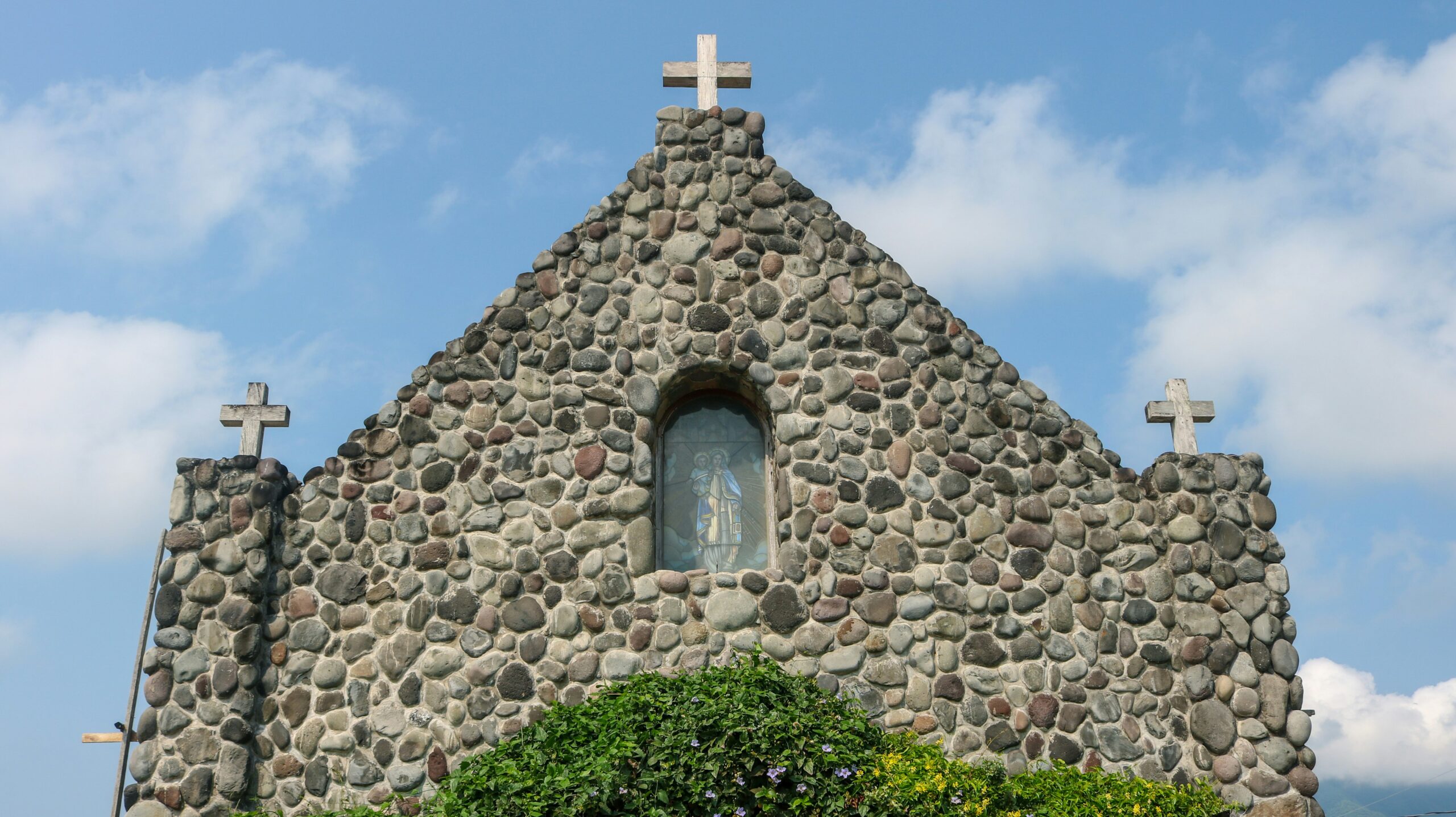
Churches and other historic buildings provide clues about this period. However, these changes did not mean that the islands had no organized societies before Spanish rule.
Indigenous culture already had a long history. The colonial period became one chapter in a much older story.
When Did Batanes Become a Province?
The modern Province of Batanes was formally established on May 20, 1909, through Act No. 1952 during the American colonial period.
That date marks an important administrative change. It should not be confused with the beginning of human habitation, which occurred much earlier.
Why Was the 2016 Tourism Law Important?
History continues to develop in the present.
On June 23, 2016, Republic Act No. 10866, known as the Batanes Responsible Tourism Act, was approved.
The law declared Batanes a responsible, community-based cultural heritage and ecotourism zone. Its approach recognizes that tourism should consider the environment, local heritage, and the welfare of communities.
This gives us a useful lesson. Protecting the past is not only about keeping old objects. It can also involve making thoughtful decisions about the future.
Indigenous communities developed settlements, farming knowledge, and maritime traditions.
Missionary activity and colonial administration influenced towns and institutions.
Act No. 1952 established the modern Province of Batanes.
Republic Act No. 10866 established a framework for responsible tourism.
A modern resilient Ivatan house developed through scientific collaboration was introduced in Uyugan.
History is not simply a list of dates to memorize. Ask what happened before an event, what changed afterward, and how ordinary people were affected. These questions turn a timeline into a story.
Who Are the Ivatan People?
The people most closely associated with the indigenous culture of Batanes are the Ivatan.
Their traditions developed in a landscape where mountains, farmland, and the sea are all part of daily life.
Imagine how much knowledge people can gather after living in the same environment for generations.
Communities learn which crops grow well, how seasonal winds behave, which materials make strong houses, and how to navigate local waters.
This knowledge can become part of cultural heritage, passed down through language, stories, practical skills, and shared traditions.
What Languages Are Spoken in Batanes?
Ivatan is a major indigenous language of Batanes. Itbayaten is associated particularly with Itbayat Island. Filipino and English are also used in government, schools, and wider communication.
A language is more than a collection of words. It contains expressions, memories, and ways of describing things that matter to a community.
How Did People Preserve Stories Before Modern Books?
Not every piece of history was written on paper. Many communities shared knowledge by telling stories, singing songs, and teaching younger generations.
Ivatan oral traditions documented by cultural researchers include lagi, kalusan, and kabbata.
These traditions are associated with different forms of singing, storytelling, and cultural expression. Their precise meanings should be understood within their local contexts.
They remind us that history can survive through people’s voices, not only through government documents and monuments.
People living on different islands do not necessarily share identical languages or traditions. Batanes has a common provincial identity, but its communities also have distinct histories and experiences.
Why Are Traditional Ivatan Houses Made of Stone?
Imagine that you are building a home in a place where strong winds are a familiar part of life.
You would want walls and a roof that could protect your family. This helps explain the traditional architecture of Batanes.
Many heritage houses feature thick stone-and-mortar walls and carefully constructed roofing systems using layers of thatching.
These are not merely attractive old buildings. Their construction reflects generations of practical experience with the local environment.
Where Can These Houses Be Found?
Traditional stone houses are associated with communities on Batan and Sabtang islands. Chavayan and Savidug on Sabtang are particularly known for their architectural heritage.
An important thing to remember is that these are living communities. The buildings are connected with people’s homes, families, and everyday lives.
Can Traditional Architecture Help Modern Engineers?
Yes, and Batanes offers an interesting example.
In December 2025, researchers from Cagayan State University, working with support from the Department of Science and Technology, introduced a modern resilient Ivatan house in Uyugan.
The project combined traditional knowledge with engineering approaches intended to improve protection against hazards such as typhoons and earthquakes.
Think about that for a moment. Knowledge developed by previous generations can help modern engineers design safer buildings.
This is one reason studying history matters. The past can teach us things that remain useful today.
What Is the Vakul?
The vakul is a traditional protective head covering associated with Ivatan women.
It is commonly made from plant materials and used as protection from sun and rain.
Like traditional houses, it shows how practical solutions can become recognizable expressions of cultural identity.
Studying traditional knowledge does not mean rejecting modern technology. Sometimes the best solutions come from combining old knowledge with new discoveries.
What Do People Do for a Living in Batanes?
When we see photographs of Batanes, we may imagine spending a quiet afternoon admiring its hills.
But for the people living there, the islands are also places of work.
Families need food, schools, healthcare, transportation, and opportunities to earn a living.
Farming in a Windy Province
Agriculture has long been important in Batanes. Farmers grow root crops such as sweet potatoes, taro, and yams, together with other crops suited to local conditions.
Strong winds can damage plants and affect growing conditions.
Some traditional agricultural practices use vegetation as windbreaks.
A windbreak is a barrier that helps reduce the force of the wind. It is a simple idea with an important practical purpose.
Fishing and the Sea
Fishing supports local food supplies and livelihoods. But the waters around Batanes can be challenging.
Fisherfolk need knowledge of the weather, currents, boats, and seasonal conditions.
Skills like these are learned through training, experience, and knowledge shared within communities.
Are There Jobs Beyond Farming and Fishing?
Yes. Residents also work in government, schools, transportation, retail, accommodation, food services, and other economic activities.
Tourism creates opportunities for businesses and workers. However, visitor activity can also place pressure on public services, waste management, and natural resources.
This helps explain why responsible tourism matters. A place should benefit the people living there, rather than existing only for the enjoyment of visitors.
A province is not only a destination for travelers. It is also a home for people whose everyday lives involve work, family, community, and public services.
What Do People Eat in Batanes?
Food can teach us a surprising amount about history.
The ingredients people grow, the dishes they prepare, and the ways they preserve food can reveal how they have adapted to their environment.
Traditional food in Batanes reflects agriculture, marine resources, household practices, and the availability of local ingredients.
A traditional Ivatan preparation associated with banana plant material and other ingredients. Recipes vary by household.
A traditional pork preparation associated with cooking and preserving meat in rendered fat.
Sweet potatoes, taro, and yams have played important roles in local agriculture and food production.
Marine food resources form part of local diets, with availability influenced by fishing and sea conditions.
Why Were Food Preservation Skills Important?
Imagine living on an island where rough seas can delay boats and deliveries.
You cannot always assume that supplies will arrive exactly when you need them.
Food preservation methods can help families make better use of available ingredients and store food for later use.
These traditions show how geography influences everyday decisions.
Of course, recipes can change. Families may use different ingredients, cooking methods, or modern equipment while maintaining connections with older traditions.
Culture, Celebrations, and Community Life
Culture is not something that exists only in museums.
We can also find it in the languages people speak, the dishes they prepare, the celebrations they organize, and the knowledge they share.
In Batanes, cultural life includes indigenous traditions, religious observances, oral heritage, agriculture, and knowledge connected with the sea.
Festivals and Celebrations
Municipal fiestas and community celebrations may involve religious activities, food, music, and organized cultural events.
However, not every traditional observance is intended for visitors. Some practices are private or connected to particular communities.
Why Is Batanes Associated With Honesty?
You may have heard of the Honesty Coffee Shop in Ivana, which became known for its self-service approach to selling goods.
The shop is often mentioned in stories about trust and community values.
It is an interesting local example, although one establishment should not be used to describe every resident of an entire province.
How Can Cultural Heritage Be Protected?
Preserving heritage can involve maintaining languages, protecting historical buildings, recording oral traditions, and teaching traditional skills to younger generations.
It also means respecting how communities choose to live and develop.
Culture does not have to remain frozen in the past. People can preserve their heritage while adopting new technologies and ways of living.
Why Is the Natural Environment of Batanes Important?
Look beyond the green hills for a moment.
Batanes also has coastal habitats, marine ecosystems, agricultural land, and places important for wildlife.
These environments support biodiversity, local livelihoods, and the natural character of the islands.
What Does Conservation Mean?
Conservation involves protecting natural resources and ecosystems while managing how people use them.
This can include protecting habitats, reducing environmental damage, and encouraging responsible use of land and water.
Is Batanes a UNESCO World Heritage Site?
This is an important distinction.
The Batanes Protected Landscapes and Seascapes appears on the UNESCO World Heritage Tentative List.
A Tentative List is not the same as inscription on the World Heritage List.
It identifies places that a country may consider nominating in the future.
Therefore, Batanes should not be described as an inscribed UNESCO World Heritage Site.
Why Does Responsible Tourism Matter?
More visitors can mean more opportunities for local businesses.
But visitor activity can also affect waste systems, water resources, roads, habitats, and historical places.
This is why the Batanes Responsible Tourism Act emphasizes cultural heritage, environmental conservation, and community participation.
Beautiful places are not protected simply because people admire them. They need thoughtful decisions, local participation, and responsible care.
Notable Places and Landmarks in Batanes
Landmarks can tell us more than where something is located.
They can also reveal information about geology, history, architecture, and community life.
Batan Island
A volcano near Basco and an important geographical feature of Batan Island.
A coastline known for rounded volcanic rocks and powerful waves.
A grassland landscape in Mahatao associated with grazing areas and coastal views.
A recognizable landmark on Naidi Hills overlooking the surrounding coast.
A heritage residence in Ivana associated with traditional Ivatan architecture.
A coastal community associated with local fishing traditions and maritime life.
Sabtang Island
Chavayan and Savidug are known for traditional Ivatan settlements and stone-house heritage.
Chamantad Point and Morong Beach are also associated with distinctive coastal landscapes.
Itbayat Island
Itbayat is particularly interesting for its limestone terrain and archaeological heritage.
Torongan Cave is associated with archaeological interest, while the island’s cliffs provide striking examples of its physical landscape.
Some landmarks are private homes, living communities, protected environments, or sensitive historical locations. Access should follow local regulations and community guidance.
How Do People Travel to and Around Batanes?
In many Philippine provinces, people can travel between towns using roads and highways.
Batanes is different because its communities are spread across separate islands.
Air Transportation
Basco Airport is the province’s main aviation gateway.
Aircraft provide an important connection with other parts of the country.
Flights depend on schedules, available services, and weather conditions.
Travel Between Islands
Boats are important for reaching communities separated by water.
Travel to Sabtang commonly involves the Ivana port area.
Itbayat is farther away, and sea conditions can make crossings more challenging.
Road Transportation
Roads on Batan Island connect Basco, Mahatao, Ivana, and Uyugan.
But accessibility differs considerably between the islands.
This teaches us an important geographical lesson: a short distance on a map does not always mean an easy journey.
Interesting Facts About Batanes
Batanes lies at the northern end of the Philippine archipelago.
Its reported land area is approximately 209.28 square kilometers.
Batanes recorded 18,937 residents in the 2024 census.
The province consists of six municipalities and 29 barangays.
Batan, Sabtang, and Itbayat have permanent settlements.
Traditional Ivatan design principles have informed modern research into resilient housing.
What Makes Batanes Truly Special?
Its scenery certainly deserves attention.
But Batanes becomes even more fascinating when we understand how its people have lived with that environment.
Its hills are agricultural landscapes. Its houses reflect accumulated practical knowledge. Its languages preserve cultural memory.
The sea connects communities while also presenting challenges.
Batanes reminds us that a province is much more than a location on a map. It is a place where geography, history, and human life come together.
Frequently Asked Questions About Batanes
Where is Batanes located?
Batanes is the northernmost province of the Philippines, located between mainland Luzon and Taiwan.
What region does Batanes belong to?
It belongs to Cagayan Valley, also known as Region II.
What is the capital of Batanes?
Basco, located on Batan Island, is the provincial capital.
How many municipalities are in Batanes?
Batanes has six municipalities: Basco, Itbayat, Ivana, Mahatao, Sabtang, and Uyugan.
What is the population of Batanes?
The 2024 Census of Population recorded 18,937 residents.
What languages are spoken in Batanes?
Ivatan and Itbayaten are associated with its indigenous communities. Filipino and English are also used.
Why are traditional Ivatan houses built with stone?
Traditional stone-and-mortar construction reflects adaptations to strong winds, rainfall, and available building materials.
Which islands are inhabited?
The three main inhabited islands are Batan, Sabtang, and Itbayat.
When was Batanes established as a province?
Act No. 1952 established the modern province on May 20, 1909.
Is Batanes a UNESCO World Heritage Site?
No. Batanes Protected Landscapes and Seascapes is on the UNESCO World Heritage Tentative List, not the inscribed World Heritage List.
Why is Batanes important to Philippine heritage?
It preserves indigenous languages, architectural traditions, archaeological sites, agricultural knowledge, and maritime heritage.
Want to Experience Batanes Yourself?
Learning about a place helps us see it differently.
When you know the stories behind its houses, fields, and coastlines, even a familiar photograph becomes more meaningful.
Batanes Island-Hopping Budget and Itinerary Planner
For readers planning a visit, our interactive tool can help estimate expenses, compare transportation choices, and create a suggested itinerary for Batanes.
Plan Your Batanes TripSources and Further Reading
Good history begins with good questions, but it also needs reliable evidence.
The following sources provide statistical, historical, cultural, and geographical references relevant to this profile.
- Philippine Statistics Authority. Philippine Standard Geographic Code. Official administrative data .
- PSA Region II. Women and Men in Batanes, March 30, 2026. Population report .
- National Commission for Culture and the Arts. Peoples of the Philippines: Ivatan/Itbayat. Cultural reference .
- Philippine Legislature. Act No. 1952, May 20, 1909. Historical legislation .
- Republic of the Philippines. Republic Act No. 10866, Batanes Responsible Tourism Act. View legislation .
- Department of Science and Technology. Modern Resilient Ivatan House, December 2025. Research update .
- UNESCO World Heritage Centre. Batanes Protected Landscapes and Seascapes, Tentative List. View listing .
- BFAR Region II. Annual Report 2024. Fisheries report .
Every Province PH develops province profiles to help readers understand the Philippines through geography, history, people, and heritage. Statistical information is identified by its reporting date and should be updated when newer official records become available.