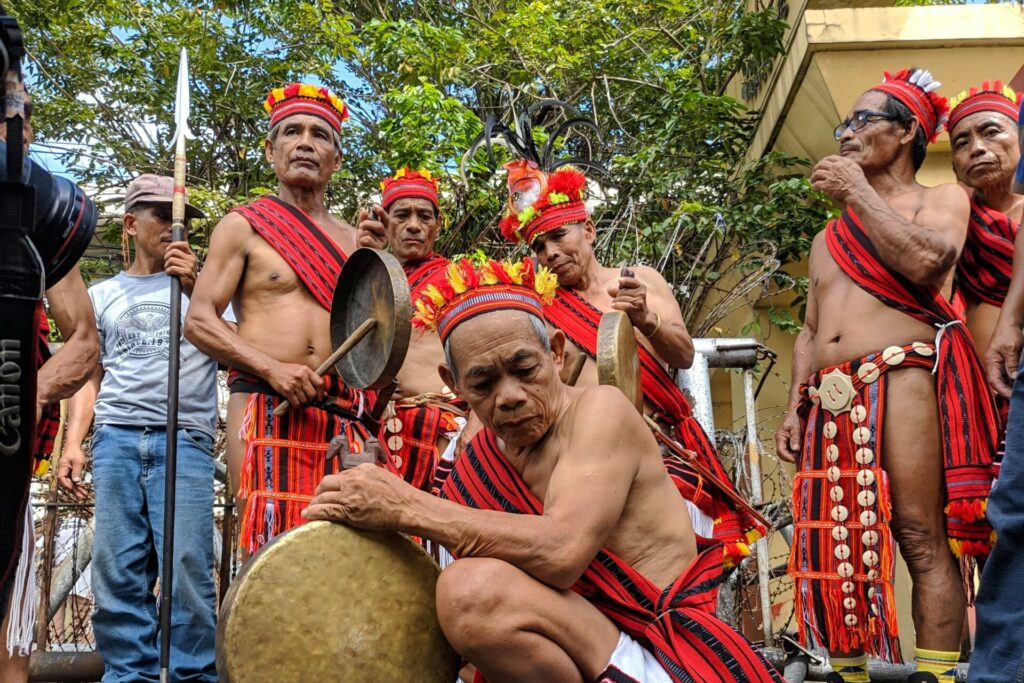

It’s no secret how Sagada makes travelers slow down. The winding mountain roads, the pine-scented air, and the sense of stillness in its valleys all tell you this is not a place to rush. Tucked in the Mountain Province, Sagada is famous for its hanging coffins and caves, but its appeal runs deeper. Visitors often discover it as an alternative to the crowded beaches of the Philippines, a retreat where culture and nature remain closely intertwined.
This Sagada travel guide takes you through everything you need: how to get there, what to do, where to stay, and how to make the most of your time with a tailored itinerary.
Quick Facts
- Province: Mountain Province
- Capital: Bontoc (Sagada is a municipality)
- Known For: Hanging coffins, caves, rice terraces, pine forests
- Best Time to Visit: November to February for cool weather, March to May for clearer skies
How to Get There
There are no airports in Sagada. Travel is entirely by land, which is why getting there is part of the adventure.
Via Baguio (Most Common Route)
Step 1: Take a bus from Manila to Baguio (Victory Liner or Genesis). Travel time: 4–6 hours.
Step 2: From Baguio, ride a van or GL Trans bus to Sagada. Travel time: 6–7 hours.
Cost: ₱1,000–₱1,300 total ($18–$23).
Via Banaue & Bontoc (Scenic Route)
Step 1: Overnight bus from Manila to Banaue. Travel time: 9 hours.
Step 2: Transfer via jeepney or van to Bontoc (₱200 / $3.50).
Step 3: From Bontoc, jeepney to Sagada (₱50 / $1).
Cost: ₱1,200–₱1,500 total ($22–$27).
Private Car Option
Renting a car allows freedom, but roads are narrow and mountainous. It’s recommended only if you’re confident in long, winding drives.

Pro Tip:
Some travelers often underestimate the travel time. Even if Sagada looks “close” on the map, mountain roads make trips much longer. Always plan at least a full day just for travel.
Sagada Travel Guide: 5 Must-Visit Places
Sagada Travel Guide #1. Hanging Coffins of Echo Valley
The hanging coffins are the cultural heart of Sagada. This centuries-old tradition of the Igorot people involved placing coffins high on limestone cliffs, closer to the spirits. Some are over a hundred years old, while others are surprisingly recent.
A short hike from St. Mary’s Episcopal Church leads you into Echo Valley, where you’ll see the coffins clinging to cliffsides. It’s haunting, beautiful, and deeply symbolic. Guides are required, both to explain and to ensure respect for the site.
Sagada Travel Guide #2. Sumaguing Cave
Nicknamed “The Big Cave,” Sumaguing is Sagada’s largest and most famous cave. With a guide and kerosene lamp, you descend into chambers filled with limestone formations. The trek involves slippery rocks, crawling through tight passages, and wading in cold pools — it’s part adventure, part endurance.
Tour Fee: ₱800–₱1,000 ($14–$18) for groups
Duration: 2–3 hours
It’s not for everyone, but those who go in say it’s one of the most unforgettable parts of Sagada.
Sagada Travel Guide #3. Kiltepan Sunrise Viewpoint
Kiltepan viewpoint is legendary. At dawn, travelers gather to watch the sun rise over a rolling sea of clouds, with rice terraces below. On clear mornings, it’s breathtaking. On foggy ones, it’s still an experience.
Transport: Vans charge ₱500–₱700 ($9–$13), split among riders.
Best Time: Arrive by 5 AM.
Sagada Travel Guide #4. Bomod-ok Falls
Reaching Bomod-ok Falls requires a trek through rice terraces and small villages. The falls themselves are massive, with cold water plunging into a wide basin. The trek takes 1–2 hours each way, but the payoff is worth it.
Fee: ₱600–₱800 ($11–$14) per group, plus local guide fees
Tip: Bring snacks and water; the hike can be demanding.
Sagada Travel Guide #5. Sagada Weaving
To understand Sagada, you must also see its traditions. At Sagada Weaving, artisans continue a craft that has been passed down for generations. Their textiles tell stories of heritage, resilience, and identity — and yes, you can bring a piece home.
Where to Stay
Sagada does not have luxury hotels, but it doesn’t need them. What you’ll find are inns, guesthouses, and homestays that welcome you warmly. Many have pinewood interiors, fire pits, and balconies with valley views.

➡️ Compare options on Booking.com and Agoda. Most listings include free cancellation, which is useful given how mountain weather can change quickly. For longer stays, Airbnb offers local homestays that connect you more closely with the community.
- Budget stays: ₱500–₱800 ($9–$14) per night
- Mid-range inns: ₱1,200–₱2,000 ($21–$36) per night
- Cozy cottages with fireplaces: ₱2,500+ ($45+) per night
Food and Local Dishes
Meals in Sagada are hearty and rooted in local ingredients. Warm up with a bowl of pinikpikan (a traditional chicken stew), try etag (smoked pork that flavors many dishes), and enjoy fresh mountain vegetables. Coffee here is bold and earthy, often grown and roasted by the same families who serve it. Travelers often linger in cafés not just for the food, but for the mountain views.

- Meals at local eateries: ₱150–₱250 ($3–$5)
- Café meals with coffee: ₱300–₱500 ($5–$9)
Festivals and Culture
Sagada’s culture is most visible not in large festivals but in everyday life. Ceremonies tied to harvest and burial traditions reflect how spirituality and community remain connected. For foreigners, joining a cultural tour with local guides is the best way to learn respectfully.

Suggested Itinerary
2 Days
- Day 1: Echo Valley and the Hanging Coffins, plus Sagada Weaving.
- Day 2: Bomod-ok Falls hike, sunset coffee overlooking the mountains.
4 Days
- Add Sumaguing Cave exploration and sunrise at Kiltepan. Spend afternoons exploring cafés and local handicraft shops.
7 Days
- Immerse fully. Extend your trip with side trips to Bontoc and Banaue, or join guided treks that connect multiple Cordillera destinations.
👉 Want a stress-free experience? Book one of our custom Sagada itineraries. We organize your transport, stays, and daily activities so you can focus on enjoying the journey. Click here to get your personalized itinerary.
Travel Tips
- Budget: ₱1,500–₱2,500 ($27–$45) daily, including meals, accommodations, and tours.
- Connectivity: Internet is patchy, so prepare for offline days.
- Cash: ATMs are limited, so bring enough pesos before arrival.
- Respect: Always ask before taking photos of people or sacred sites.
Conclusion
Sagada is not the kind of place you rush through. It requires patience, long drives, and a willingness to embrace its pace. The hanging coffins, the caves, and the sunrise will impress you, but it’s the quiet moments — sipping coffee in the mountain chill, walking through terraces, listening to locals — that stay with you long after.
For travelers looking beyond beaches in the Philippines, Sagada offers something harder to find: stillness, depth, and a connection to the land that feels unforgettable.